
Understanding Implant Crowns, Bridges, and Prosthetic Restorations
By Thu Nguyen, Anaheim Implants & Dental Group
Dental restoration techniques, specifically implant crowns, bridges, and prosthetics, play a pivotal role in modern dentistry, aiming to restore function and aesthetics to patients who have lost teeth. This guide will explore the different types of dental restorations, their benefits, procedures, and considerations to help patients make informed decisions. Many individuals face challenges with missing teeth, which can significantly affect their quality of life, self-esteem, and ability to eat comfortably. The right dental restoration not only enhances appearance but also improves functionality. In this article, we will cover the various types of dental restorations, their benefits, the procedure for dental implants, and alternatives to consider based on individual needs.
Types of Dental Restorations:
Dental restorations come in various forms to accommodate different patient needs and clinical situations. Understanding these options is critical for making informed decisions about treatment. The primary types include crowns, bridges, and dentures, each offering unique benefits and applications.
What Are Implant Crowns and How Do They Restore Dental Implants?
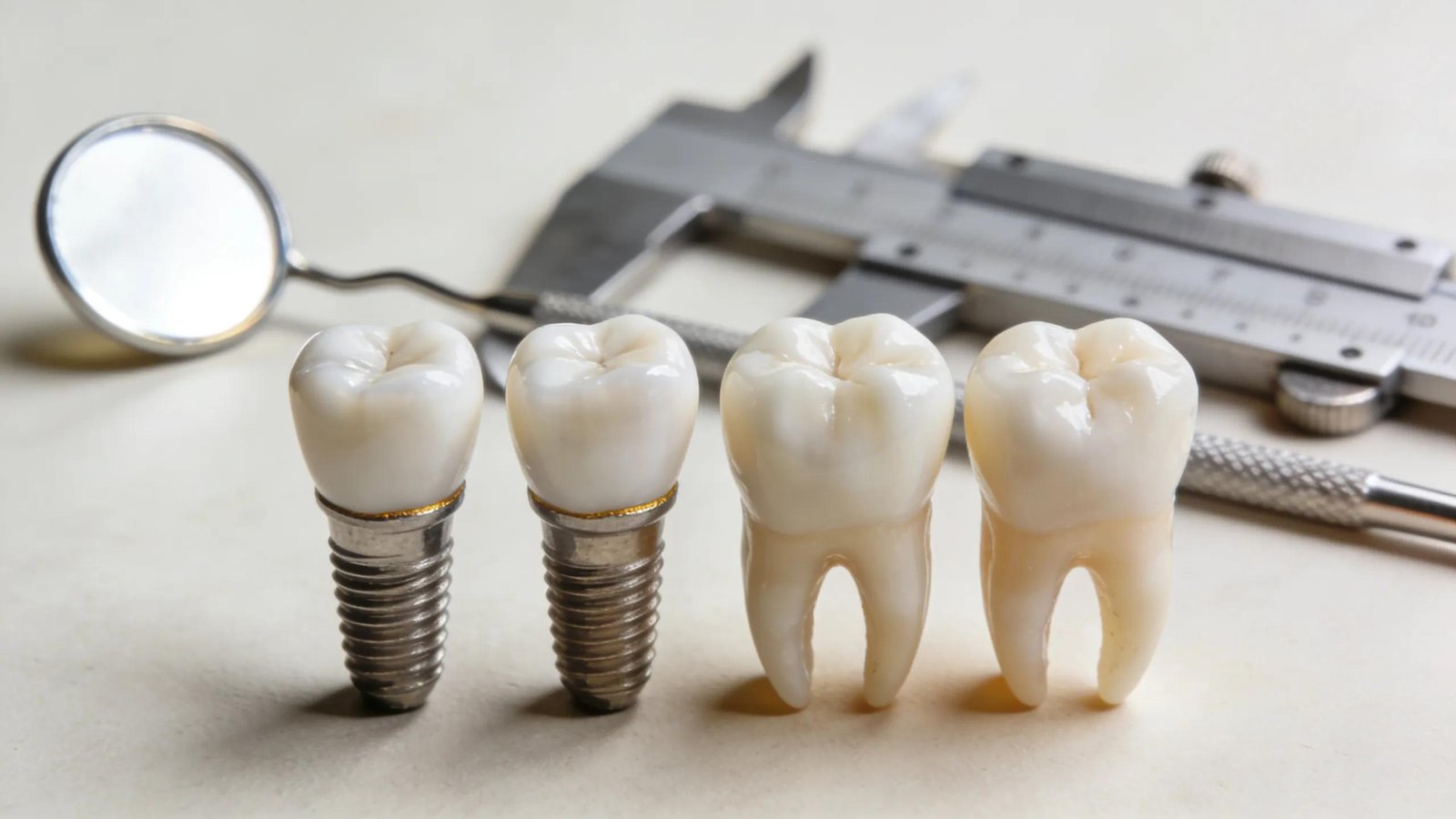
Implant crowns are prosthetic devices anchored onto dental implants to replace missing teeth. They are designed to closely resemble natural teeth in both appearance and function, ensuring that patients regain their ability to chew and speak effectively. The mechanism involves the crown being attached to a titanium post surgically placed into the jawbone, providing a stable foundation that mimics the root of a natural tooth. This restoration is essential for patients who have lost a single tooth or need to replace multiple teeth in a specific area.
What Is the Implant Crown Procedure and Its Step-by-Step Process?
The procedure for obtaining an implant crown generally involves several essential steps, starting with a comprehensive dental examination, which may include X-rays. Following consultation, the surgical placement of the titanium post occurs, which typically involves local anesthetic. After the implant integrates with the bone, an abutment is placed, which serves as a connector for the crown. The final step is attaching the custom-made crown, crafted to fit seamlessly with the surrounding teeth, ensuring both comfort and aesthetic appeal. Aftercare and regular dental visits are crucial for maintaining the longevity of the crown.
Which Materials Are Used for Implant Crowns: Zirconia vs Porcelain?
When it comes to materials for implant crowns, zirconia and porcelain are the most commonly used. Zirconia crowns are known for their strength and durability, making them an excellent choice for posterior teeth, where biting forces are stronger. They are also resistant to wear and provide a natural look. Porcelain crowns, on the other hand, offer superior aesthetics and can be closely matched to the natural color of teeth, making them ideal for front teeth restoration. The choice between these materials often depends on factors such as location in the mouth, patient preferences, and clinical considerations.
Benefits of Dental Restorations:
The advantages of dental restorations extend beyond mere aesthetics. Patients enjoy improved oral function, enhanced self-confidence, and overall better quality of life due to effective solutions for tooth loss. Dental restorations can significantly enhance the function of a patient’s bite, leading to improved chewing ability and speech.
- Functional Improvements: Patients experience restored functionality in chewing and speaking, allowing for a more natural diet.
- Aesthetic Enhancements: Improved appearance leads to enhanced self-confidence, critical for social interactions.
- Long-Term Oral Health: Restorations help maintain the structure of surrounding teeth, preventing shifting and further dental issues.
Procedure for Dental Implants:
The process of dental implant placement involves several carefully planned stages. Initially, patients undergo a thorough evaluation, which includes discussions of medical history and expectations. Once deemed suitable, the surgical phase begins with the implantation of the titanium post into the jawbone. After sufficient healing and osseointegration, the abutment is placed, followed by the final fitting of the crown or bridge. This procedure ensures a durable and functional restoration, allowing patients to resume normal activities with confidence.
Considerations for Dental Restorations:
Several factors should be taken into account before opting for dental restorations. Health conditions such as periodontal disease, smoking, and overall oral hygiene heavily influence candidacy and the success of the treatment. Additionally, patients should consider their lifestyle habits, including diet and maintenance routines, as these can impact the durability and appearance of restorations in the long run.
Alternatives to Dental Implants:
For patients unable to undergo implant procedures, various alternatives are available. Traditional dentures and dental bridges may be suitable options, each with their own pros and cons. Dentures can be more affordable initially, but they often require adjustments and replacements over time. Meanwhile, dental bridges may be appropriate for patients with adjacent healthy teeth but do necessitate some alteration to those teeth. It’s important to explore all options with a dental professional to determine the best fit based on individual circumstances and preferences.
Summary of Multiple Options
- Dentures: Removable replacements for missing teeth; may require ongoing adjustments.
- Bridges: Fixed solutions connecting to adjacent teeth; preserves appearance but alters healthy teeth.
- Implants: Permanent options that integrate with the jaw; require evaluation for candidacy.
The choice among these alternatives depends on individual health, preferences, and financial considerations.
How to Maintain Dental Restorations
Proper care for implant crowns, bridges, and prosthetics is essential for long-term success. Regular oral hygiene practices, such as brushing twice a day and flossing, are critical. Patients should also schedule routine dental check-ups to monitor the condition of their restorations and address potential issues early on. Following the dentist’s aftercare instructions significantly enhances the longevity of all dental restorations.
Common Aftercare Steps Following Implant Prosthetic Procedures

After the placement of implant prosthetics, patients should naturally expect some level of discomfort and swelling, which typically subsides after a few days. Adhering to prescribed pain relief options, eating soft foods, and maintaining good oral hygiene without aggravating the surgical site is vital. Medications such as antibiotics may be prescribed to prevent infection, and follow-up appointments will be essential to ensure smooth recovery.
In summary, dental restorations such as crowns, bridges, and prosthetics provide critical solutions for individuals facing tooth loss. The benefits of improved functionality, aesthetics, and psychological well-being make them a worthy investment in dental health. For expert care and personalized treatment plans, consider scheduling a consultation with Dr. Thu Nguyen at Anaheim Implants Dental Group. With her extensive experience in implant procedures, Dr. Nguyen can provide tailored solutions to meet your dental restoration needs. Don’t hesitate to reach out by calling (714) 778-4767 to take the first step towards a healthier smile.