
Comprehensive Guide to Bone Grafting and Sinus Lift Procedures for Dental Implant Success
By Thu Nguyen, Anaheim Implants & Dental Group
Bone grafting and sinus lift procedures are critical components in modern dental implantology, aiding in successful osseointegration and prolonging implant longevity. This comprehensive guide explores the intricacies of these procedures, enhancing your understanding of the techniques and technologies involved. Patients often find themselves confronted with the challenges of insufficient bone density or volume, which can hinder the potential for successful dental implant placement. By educating yourself on bone grafting and sinus lifts, you can be better prepared for consultations and subsequent treatments, especially those offered by experienced professionals like Dr. Thu Nguyen.
Throughout this article, we will delve into the definitions, types of graft materials, surgical processes, recovery rates, and the value of expertise in ensuring successful outcomes. You’ll learn how these methods contribute to implant success and how to navigate the recovery process effectively.
What Are Bone Grafting and Sinus Lift Procedures?
Bone grafting and sinus lift procedures are essential surgical techniques used to prepare the jawbone for dental implants. Bone grafting involves transplanting bone tissue to augment the existing bone structure, ensuring adequate support for implants. This process enhances the bone’s density and volume, providing a stable foundation for implants. The sinus lift procedure focuses on increasing the bone height in the upper jaw by elevating the sinus membrane and placing graft material in the newly created space. Enabling effective placement of dental implants, this method addresses issues related to bone resorption that may occur after tooth loss.
The necessity for these procedures often arises when patients have experienced significant bone loss due to periodontal disease, tooth extraction, or prolonged edentulousness. By employing these techniques, dental professionals can optimize the conditions for successful implant placement, effectively restoring functionality and aesthetics in patients.
This perspective is further supported by studies highlighting the criticality of adequate bone volume for implant stability and the various augmentation techniques available to achieve this.
Bone Augmentation for Dental Implant Stability: Techniques and Indications
Adequate bone volume is crucial for the stable integration of dental implants. For certain patients, implant therapy would be unfeasible without prior bone augmentation. A range of biomaterials and surgical approaches are available for bone augmentation. Our objectives were broadly to evaluate the null hypothesis that there is no difference in success rates, function, morbidity, and patient satisfaction among various bone augmentation techniques utilized in dental implant treatment. More specifically, our aims were (A) to determine the necessity and optimal timing of augmentation procedures, and (B) to identify the most effective augmentation technique for particular clinical indications. Interventions for replacing missing teeth: bone augmentation techniques for dental implant treatment, 2006
Which Types of Bone Graft Materials Are Used?
Various graft materials are available to suit individual patient needs and surgical goals. The most common grafts include autogenous grafts, allografts, xenografts, and synthetic grafts. Autogenous grafts are harvested from the patient’s own body, often from the hip or chin, providing the highest level of biocompatibility. Allografts are sourced from human donors, processed to ensure safety and efficacy. Xenografts come from animal sources, typically bovine, and are treated to be biocompatible with human tissue. Synthetic grafts, made from materials such as hydroxyapatite or calcium phosphate, offer predictable outcomes and avoid donor site morbidity.
What Are Autogenous, Allograft, and Xenograft Bone Grafts?
Understanding the distinctions among these graft types is crucial for evaluating their appropriate applications in clinical practice.
- Autogenous Grafts: These are considered the gold standard due to their high integration rates. Since the graft is from the patient, it is particularly well-received by the body, minimizing rejection risks.
- Allografts: These grafts are effective alternatives when autogenous grafts are not feasible. They are rigorously processed to eliminate disease transmission risks while still providing excellent biological outcomes.
- Xenografts: These materials offer versatility, particularly in extensive bone loss scenarios. Their structure is compatible with human bone and supports bone regeneration effectively, though they may carry a slightly higher risk of immune response compared to autogenous options.
Indeed, advancements in biomaterials have led to the development of synthetic bone graft substitutes that aim to overcome the limitations inherent in traditional autografts and allografts, further diversifying the options for effective bone regeneration.
Bone Grafting Techniques and Synthetic Substitutes
While autografts and allografts remain standard approaches in reconstructive surgery, they present inherent challenges. These methods are currently employed to fill bone defects and facilitate subsequent repair, but each carries specific limitations. Synthetic bone graft substitutes have emerged as an alternative strategy, designed to overcome the drawbacks associated with autografts and allografts. The primary objective of these synthetic substitutes is to emulate the physical and mechanical properties of native bone tissue and to promote osteoconduction for effective bone regeneration. New biomaterials for bone regeneration, 2011
How Do Composite Graft Materials Enhance Bone Regeneration?
Composite graft materials can significantly enhance the regenerative outcomes associated with bone grafting procedures. By combining autogenous grafts with allografts or synthetic materials, practitioners can take advantage of the properties of each material. These composite materials can improve the scaffolding for new bone formation, retain moisture, and support vascularization.
The success of composite grafts results from their ability to synergize various biological mechanisms, promoting superior healing. These materials also reduce the volume of harvested autogenous bone needed, thus minimizing patient discomfort and recovery times related to donor sites.
How Is the Sinus Lift Surgical Procedure Performed?
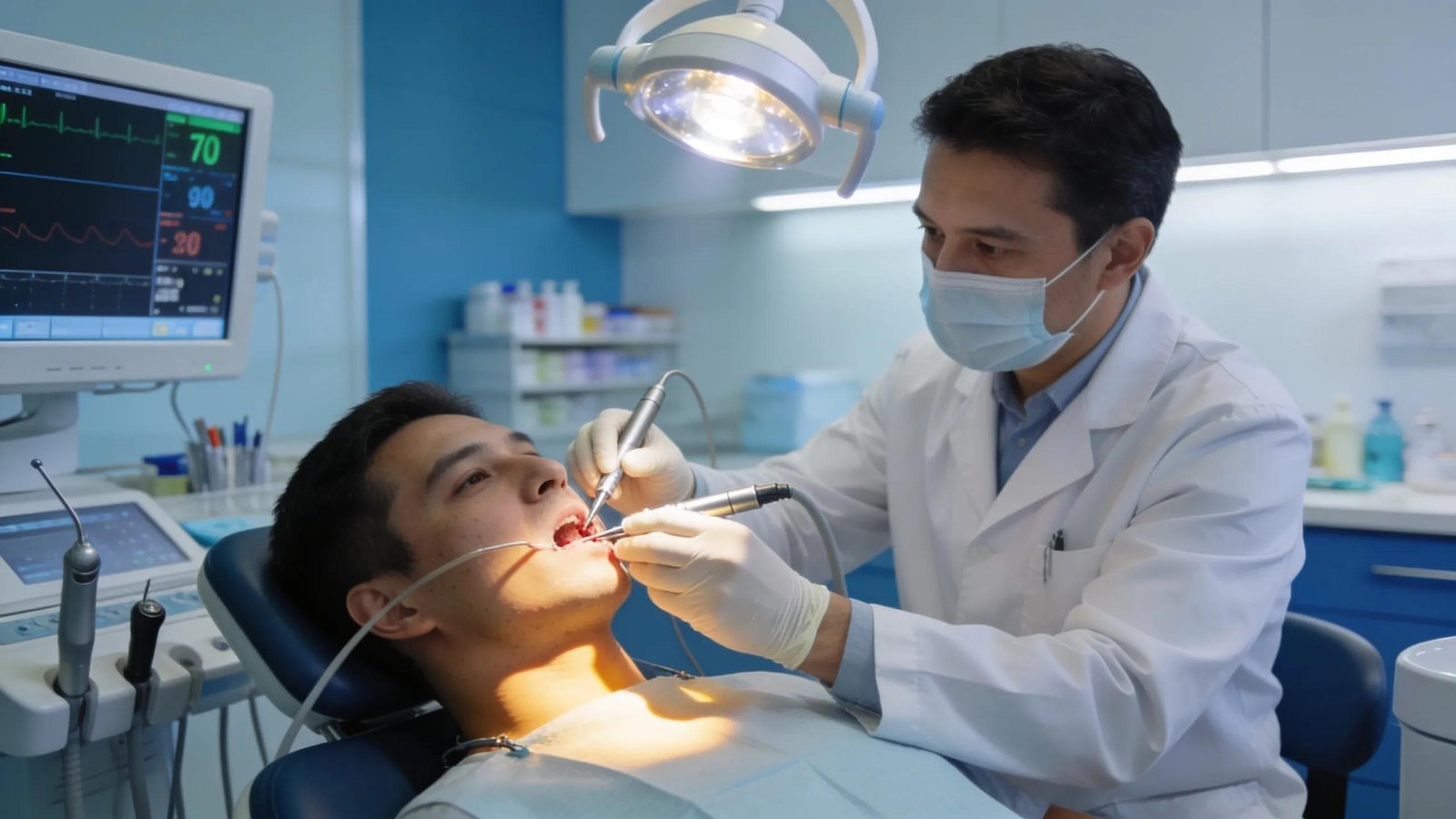
The sinus lift procedure is performed in several critical steps, ensuring a predictable augmentation of the maxillary sinus and alveolar ridge. It typically begins with a comprehensive examination and imaging to assess the sinus anatomy and bone quality. The procedure itself often involves creating a small incision in the gum above the premolar or molar teeth. A small window in the bone is then fashioned, allowing the sinus membrane to be gently lifted. After the sinus membrane is elevated, bone graft material is placed in the space, augmenting bone volume.
The meticulous nature of this procedure helps ensure the integrity of the sinus and surrounding structures while creating an ideal environment for bone healing.
What Are Minimally Invasive Sinus Lift Methods?
Minimally invasive sinus lift techniques are designed to enhance patient comfort and recovery time. These methods often employ advanced imaging technologies, such as cone beam computed tomography (CBCT), to precisely locate the sinus membrane and surrounding anatomy. By reducing the size of the incisions and performing the procedure with precision instruments, patients can experience less postoperative discomfort and quicker healing times.
Utilizing such techniques fosters a more favorable recovery process, positioning patients for optimal outcomes while minimizing tissue trauma.
These minimally invasive techniques represent a significant evolution from traditional lateral window sinus lift approaches, offering various modalities like osteotome-mediated or piezoelectric methods for safe and predictable sinus membrane elevation.
Minimally Invasive Sinus Augmentation for Dental Implants
Implant placement in the posterior maxilla is frequently complicated by insufficient vertical bone height resulting from alveolar ridge resorption and maxillary sinus pneumatization. Historically managed with the lateral window sinus lift approach, this invasive technique has undergone refinement with the development of minimally invasive sinus elevation (MISE) methods. These advanced techniques aim to mitigate surgical invasiveness and improve patient recovery. This review provides an overview of current MISE modalities, encompassing osteotome-mediated, hydraulic, balloon-assisted, piezoelectric, and guided approaches. It delineates their clinical applications, procedural protocols, and comparative benefits. For cases presenting with residual bone heights of 4-8 mm, these techniques facilitate safe and predictable sinus membrane elevation, often allowing for concurrent implant insertion.
Minimally invasive sinus elevation techniques in implant dentistry, R Bhandary, 2026
How Does Guided Bone Regeneration Support Sinus Membrane Management?
Guided bone regeneration techniques provide a strategic framework for managing the sinus membrane during sinus lift procedures. By employing barrier membranes, dentists can effectively direct bone growth and minimize the risk of membrane perforation. These membranes support the formation of new bone while restricting the migration of non-osteogenic tissues, thus promoting more effective healing dynamics.
Patient outcomes related to these methods have demonstrated improvements in overall graft success, demonstrating the importance of advanced techniques in sinus lift procedures.
What Is the Post Sinus Lift Recovery Process?
The recovery process following a sinus lift procedure is critical for ensuring the success of the grafted material and subsequent dental implant placement. Typically, the recovery time ranges from 4 to 12 weeks, during which the body integrates the graft material with the existing bone. Patients may experience swelling and mild discomfort, which can generally be managed with prescribed pain medication and ice packs.
How Long Does Bone Grafting Take to Heal for Implants?
Healing time for bone grafting can vary based on the type of graft used, patient health, and compliance with postoperative care. Generally, patients can expect to wait around 4 to 6 months before a dental implant can be placed, which allows sufficient time for the grafted bone to integrate properly. Factors such as blood supply and overall health can influence the healing process, emphasizing the importance of regular follow-ups with the dental care provider.
What Are Key Tips for Managing Discomfort and Promoting Healing?

To ensure a smooth recovery and enhance healing after sinus lift and bone grafting procedures, patients should adhere to the following key tips:
- Follow Postoperative Care Instructions: Adhering to the dentist’s specific care instructions promotes optimal healing and minimizes risks.
- Manage Discomfort: Utilizing prescribed pain medications as recommended can help control discomfort levels effectively.
- Stay Hydrated and Nourished: A balanced diet and adequate hydration support the body’s healing processes.
These strategies contribute significantly to managing discomfort and promoting healing.
Optimizing Bone Grafting and Sinus Lifts for Implant Success
Dr. Thu Nguyen’s extensive experience in bone grafting and sinus lift procedures significantly enhances patient outcomes. Her commitment to employing evidence-based practices and advanced surgical techniques has made him a trusted choice for patients seeking dental implant success.
What Advanced Technology Supports Dr. Nguyen’s Procedures?
Utilizing cutting-edge technology such as 3D imaging and computer-guided surgery, Dr. Nguyen can enhance precision during procedures. These technologies allow for meticulous planning and execution, minimizing complications and optimizing recovery. By integrating advanced methods, Dr. Nguyen ensures that each surgical process is tailored specifically to the patient’s needs.
How Do Patient Testimonials Reflect Treatment Effectiveness?
Patient testimonials often highlight the significant impact of Dr. Nguyen’s expertise on their treatment outcomes. Feedback shows high satisfaction with pain management, recovery speed, and overall results, illustrating the effectiveness of the procedures performed. Such insights reinforce the positive correlation between a specialized practice and successful patient experiences.
What Are Common Patient Questions About Bone Grafting and Sinus Lift?
Patients often have questions regarding the safety, cost, and overall effectiveness of bone grafting and sinus lift procedures. Addressing these inquiries can help alleviate concerns, making them more comfortable with their treatment journey.
Is Bone Graft Material Safe and Biocompatible?
Yes, bone graft materials used in these procedures are extensively tested for safety and biocompatibility. Materials such as autogenous grafts and allografts have established track records, ensuring that patients experience optimal integration without adverse effects. Clinical studies have documented their effectiveness, leading to widespread acceptance within the dental community.
What Is the Expected Cost and Insurance Coverage for These Procedures?
The cost of bone grafting and sinus lift procedures can vary widely based on the complexity of the case and the materials used. Typically, insurance may cover a portion of the expenses, depending on the dental plan and the specific treatments performed. Patients are encouraged to consult with their insurance providers to ascertain their coverage details effectively.
How Are Implant Site Development and Bone Augmentation Monitored Over Time?
Continued monitoring of the implant site and bone augmentation is vital for ensuring long-term success. Dental professionals often employ various imaging techniques and diagnostic tools to assess healing progress.
What Imaging and Diagnostic Tools Are Used for Follow-Up?
Imaging tools such as X-rays and cone beam computed tomography (CBCT) enable practitioners to monitor the integration of graft materials and evaluate the overall health of the implant site. Regular follow-ups can highlight any complications early on, allowing for timely interventions if necessary.
How Does Ongoing Research Influence Treatment Protocols?
The dental field benefits from ongoing research, fueling advancements in techniques, materials, and understanding of biological processes in grafting and implants. As new findings emerge, practitioners like Dr. Nguyen adapt their protocols to employ the most effective, evidence-based approaches, ensuring that patients benefit from the latest advancements in dental care.
How Can Patients Schedule Consultations for Bone Grafting and Sinus Lift?
Scheduling consultations for bone grafting and sinus lift procedures is an essential step toward achieving successful dental implants. Knowing what to expect can facilitate a smooth process.
What Should Patients Expect During Their Initial Evaluation?
During the initial evaluation, patients should expect a comprehensive assessment of their dental and medical history. The dentist will conduct a thorough examination, often accompanied by imaging, to formulate a personalized treatment plan. Open dialogue about concerns and treatment goals is highly encouraged, as this can enhance patient satisfaction and comfort levels.
How Does the Clinic Facilitate Convenient Appointment Scheduling?
Patients can easily schedule appointments with Anaheim Implants Dental Group through various means. Contact us by phone at (714) 778-4767 our clinic strives to accommodate patient preferences and streamline the scheduling process to promote access to care.