
What to Expect During Your Extraction or Wisdom Teeth Procedure
If you have been told you need a tooth extraction or wisdom teeth removal, it is natural to have questions about the procedure itself and about what recovery will look like. At Anaheim Implants & Dental Group, we walk every patient through the process in plain language, because understanding what to expect during and after surgery is one of the most effective ways to reduce anxiety and support a smooth, uneventful healing period.
This guide covers what happens during a surgical tooth extraction, how to manage impacted wisdom teeth, what a normal wisdom teeth removal recovery timeline looks like, how to recognize dry socket symptoms, and the aftercare steps that support faster, more comfortable healing.
Understanding Surgical Tooth Extraction and Impacted Wisdom Teeth
Not every extraction is the same. A simple extraction is used for a tooth that is fully visible and easily accessible above the gumline. A surgical tooth extraction is required when a tooth is broken at the gumline, has curved or fused roots, or is impacted — meaning it has not fully erupted through the gum or jawbone.
Impacted wisdom teeth are the most common reason patients need a surgical extraction. Wisdom teeth may be fully erupted, partially erupted, or fully impacted, and each situation calls for a different surgical approach. We commonly recommend removal when impacted wisdom teeth are causing recurrent pain, crowding, infection, or damage to neighboring teeth.
Before any procedure, we review your dental X-rays, discuss sedation options, and walk you through the surgical plan so there are no surprises on the day of your appointment.
What to Expect During Your Extraction Procedure
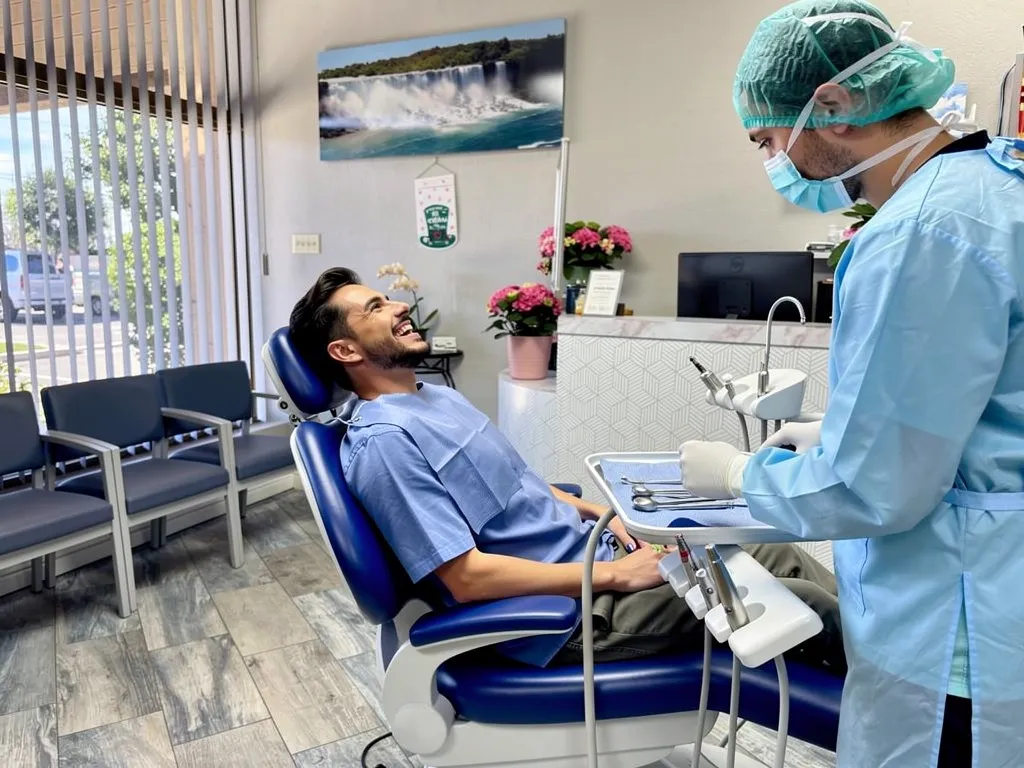
On the day of surgery, we numb the treatment area with local anesthesia. Depending on the complexity of the extraction and your comfort preferences, we may also offer sedation dentistry so you remain relaxed and pain-free throughout the procedure.
For a surgical or impacted extraction, we may need to make a small incision in the gum tissue and, in some cases, section the tooth to remove it safely and with minimal trauma to the surrounding bone. Once the tooth is removed, we clean the socket, may place sutures, and give you gauze to control bleeding.
You will need a responsible adult to drive you home after your procedure if you receive sedation, since the effects of anesthesia can impair coordination and judgment for several hours afterward.
Immediate Aftercare: The First 24–72 Hours

The first three days after surgery are the most important for setting up a smooth recovery. During this window:
Bite gently on gauze for the first few hours to control bleeding, replacing it as needed until clotting is established.
Apply an ice pack to the outside of your face in 20-minute intervals during the first 24 hours to limit swelling.
Rest and keep your head elevated, and avoid strenuous activity or exercise for at least 24–48 hours.
Take pain medication as prescribed or recommended, and begin before numbness fully wears off for better comfort control.
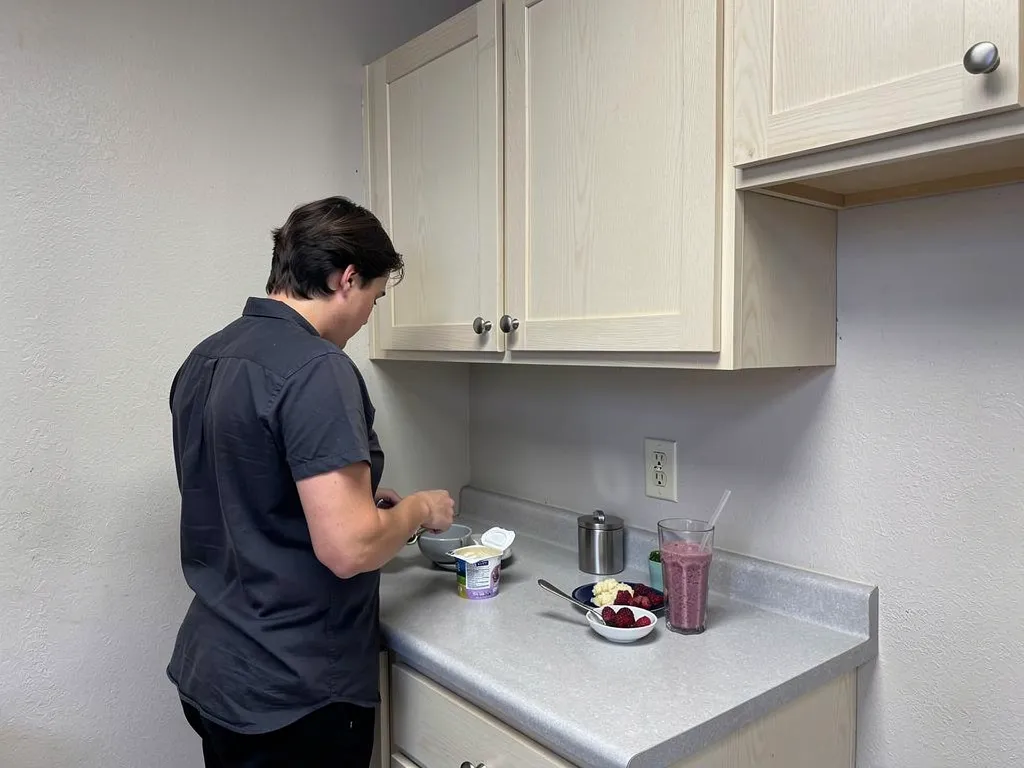
Eat only soft, cool foods — think yogurt, mashed potatoes, and smoothies without a straw — and stay hydrated.
Do not rinse, spit forcefully, smoke, or drink through a straw for at least 24 hours, since suction can dislodge the healing blood clot.
Begin gently rinsing with warm salt water starting the day after surgery to keep the area clean.
Bite gently on gauze for the first few hours to control bleeding, replacing it as needed until clotting is established.
Apply an ice pack to the outside of your face in 20-minute intervals during the first 24 hours to limit swelling.
Rest and keep your head elevated, and avoid strenuous activity or exercise for at least 24–48 hours.
Take pain medication as prescribed or recommended, and begin before numbness fully wears off for better comfort control.
Eat only soft, cool foods — think yogurt, mashed potatoes, and smoothies without a straw — and stay hydrated.
Do not rinse, spit forcefully, smoke, or drink through a straw for at least 24 hours, since suction can dislodge the healing blood clot.
Begin gently rinsing with warm salt water starting the day after surgery to keep the area clean.
Some swelling, mild bruising, and discomfort are expected and typically peak around 48–72 hours before beginning to improve.
Wisdom Teeth Removal Recovery Timeline
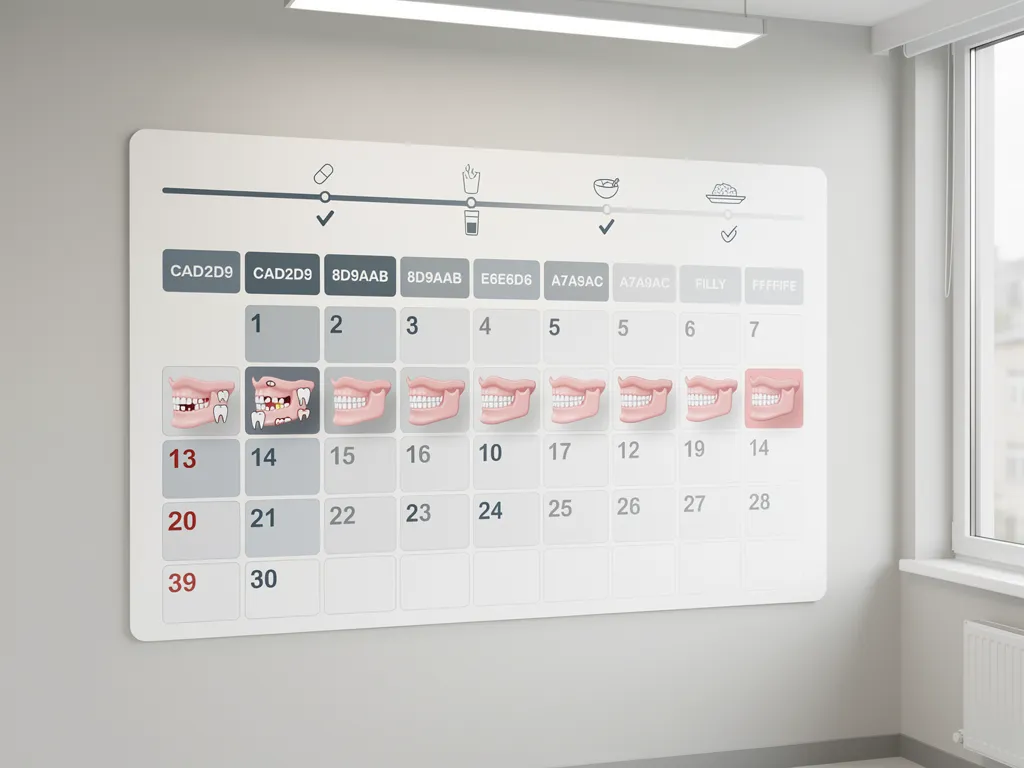
Every patient heals a little differently, but tooth extraction healing time generally follows a predictable pattern:
Days 1–3: Swelling and discomfort are at their most noticeable. Bleeding should taper off, and you should be resting and eating only soft foods.
Days 3–7: Swelling and bruising begin to subside. Most patients can gradually reintroduce semi-soft foods and return to light daily activities.
Week 2: The surgical site continues closing, and most patients feel comfortable returning to normal routines, though the jawbone and gum tissue are still healing underneath the surface.
Weeks 3–4 and beyond: Soft tissue is largely healed, though complete healing of the underlying bone can take several months, particularly after removal of impacted wisdom teeth.
Days 1–3: Swelling and discomfort are at their most noticeable. Bleeding should taper off, and you should be resting and eating only soft foods.
Days 3–7: Swelling and bruising begin to subside. Most patients can gradually reintroduce semi-soft foods and return to light daily activities.
Week 2: The surgical site continues closing, and most patients feel comfortable returning to normal routines, though the jawbone and gum tissue are still healing underneath the surface.
Weeks 3–4 and beyond: Soft tissue is largely healed, though complete healing of the underlying bone can take several months, particularly after removal of impacted wisdom teeth.
If your discomfort, swelling, or bleeding is worsening rather than improving after the first few days, that is outside the normal wisdom teeth removal recovery timeline and worth a call to our office.
Recognizing Dry Socket Symptoms
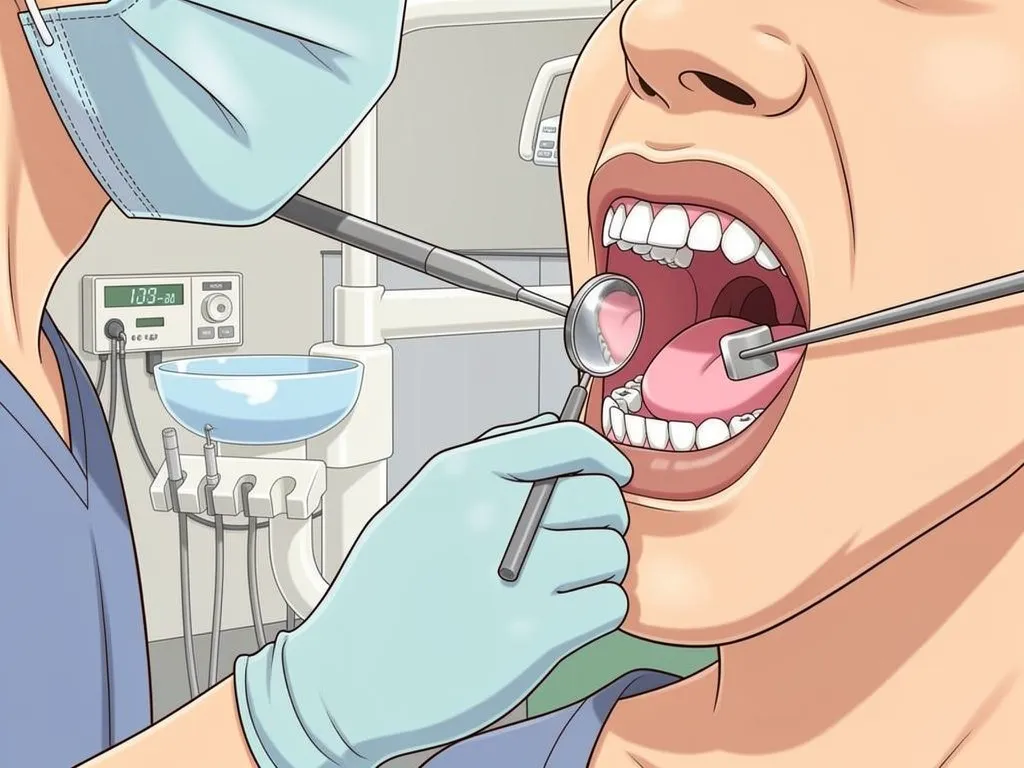
Dry socket occurs when the protective blood clot at the extraction site is dislodged or dissolves before the wound has healed, exposing the underlying bone and nerves. It is one of the more painful complications patients can experience, but it is also manageable when caught early.
Common dry socket symptoms include:
Throbbing pain that starts to intensify three to five days after extraction, rather than improving.
Pain that radiates to your ear, eye, temple, or neck on the same side as the extraction.
A visibly empty-looking socket, or one that appears to have a grayish tissue rather than a dark blood clot.
An unpleasant taste or odor coming from the extraction site.
Throbbing pain that starts to intensify three to five days after extraction, rather than improving.
Pain that radiates to your ear, eye, temple, or neck on the same side as the extraction.
A visibly empty-looking socket, or one that appears to have a grayish tissue rather than a dark blood clot.
An unpleasant taste or odor coming from the extraction site.
If you notice these dry socket symptoms, please contact our office rather than waiting it out — dry socket is straightforward to treat once we can clean and dress the socket properly, but it will not resolve on its own with over-the-counter pain medication alone.
Tips for a Smooth Tooth Extraction Aftercare Routine
Avoid smoking or using tobacco products for at least 72 hours, and ideally longer, since smoking significantly raises the risk of dry socket.
Stick to soft foods for the first several days and slowly reintroduce firmer foods as healing progresses and comfort allows.
Keep the surgical area clean with gentle salt-water rinses, but avoid vigorous rinsing, spitting, or using a straw for the first 24 hours.
Sleep with your head slightly elevated for the first couple of nights to help control swelling.
Take all prescribed medications as directed, and contact us before combining any new over-the-counter pain relievers.
Attend your follow-up appointment so we can confirm the site is healing as expected.
Avoid smoking or using tobacco products for at least 72 hours, and ideally longer, since smoking significantly raises the risk of dry socket.
Stick to soft foods for the first several days and slowly reintroduce firmer foods as healing progresses and comfort allows.
Keep the surgical area clean with gentle salt-water rinses, but avoid vigorous rinsing, spitting, or using a straw for the first 24 hours.
Sleep with your head slightly elevated for the first couple of nights to help control swelling.
Take all prescribed medications as directed, and contact us before combining any new over-the-counter pain relievers.
Attend your follow-up appointment so we can confirm the site is healing as expected.
When to Contact Our Office

Some swelling, tenderness, and mild bruising are a normal part of recovery. However, please call us if you experience:
Pain that worsens after day three instead of improving
Fever, chills, or pus at the extraction site
Bleeding that does not slow down after applying firm gauze pressure
Numbness in your lip, chin, or tongue that persists beyond the expected timeframe
Any of the dry socket symptoms described above
Pain that worsens after day three instead of improving
Fever, chills, or pus at the extraction site
Bleeding that does not slow down after applying firm gauze pressure
Numbness in your lip, chin, or tongue that persists beyond the expected timeframe
Any of the dry socket symptoms described above
Our team would rather hear from you and confirm everything is on track than have you manage a concern alone.
Frequently Asked Questions
How long does wisdom teeth removal recovery take?
Most patients see swelling and discomfort peak around 48–72 hours, with soft tissue healing largely complete within 3–4 weeks. Full healing of the underlying jawbone, especially after removal of impacted wisdom teeth, can take several months.
What are the warning signs of dry socket?
Watch for throbbing pain that intensifies three to five days after extraction rather than improving, pain radiating to the ear or temple, a visibly empty-looking socket, and an unpleasant taste or odor at the extraction site. Contact our office promptly if you notice these symptoms, since dry socket needs to be treated in-office.
What should I eat after a tooth extraction?
Stick to soft, cool foods like yogurt, mashed potatoes, and smoothies (without a straw) for the first few days, then gradually reintroduce semi-soft and firmer foods as healing progresses and comfort allows.
How is a surgical tooth extraction different from a simple extraction?
A simple extraction is used for a tooth that is fully visible and easily accessible above the gumline. A surgical extraction is needed when a tooth is broken at the gumline, has curved or fused roots, or is impacted, often requiring a small incision and sometimes sectioning the tooth for safe removal.
When should I call the office after wisdom teeth removal or a tooth extraction?
Call us if pain worsens after day three instead of improving, you develop fever, chills, or pus at the site, bleeding doesn’t slow after firm gauze pressure, numbness in your lip, chin, or tongue persists, or you notice any dry socket symptoms.
Ready to Schedule Your Extraction or Wisdom Teeth Consultation?

If you’re experiencing pain from an impacted wisdom tooth or need a tooth extraction, the team at Anaheim Implants & Dental Group is here to guide you through every step of the process, from your first consultation through complete recovery. Call us at +1 (714) 778-4767 or visit us at 2247 W Ball Rd, Anaheim, CA 92804 to schedule your appointment.