
Mini Implants for Narrow Ridges: Cost, Procedure, Benefits, and Patient Guide
By Thu Nguyen, Anaheim Implants & Dental Group
Mini dental implants have emerged as a practical solution for individuals with narrow ridges seeking dental restoration. This article delves into what mini implants are, their benefits, the procedures involved, recovery timelines, cost considerations, and a comprehensive patient guide. Many patients with insufficient bone width in their jaws often face challenges in securing conventional dental implants. Mini implants offer an innovative alternative, providing stability and support while minimizing invasiveness. We will explore the different aspects and advantages of mini implants, and discuss how they cater to those specifically dealing with narrow ridges, enabling confident dental choices.
Mini Implants for Narrow Ridges: Comprehensive Overview
Mini dental implants are streamlined alternatives to traditional dental implants, designed particularly for patients with narrow jaw ridges where conventional implants may not fit. These implants consist of a smaller diameter, allowing them to be placed in limited bone space. The placement of mini implants typically involves less surgical trauma and a faster healing process, making them an appealing option for many individuals. The significance of mini implants is profound, as they provide solutions to those who might otherwise be unable to receive dental implants due to insufficient bone structure.
What Are Mini Dental Implants?
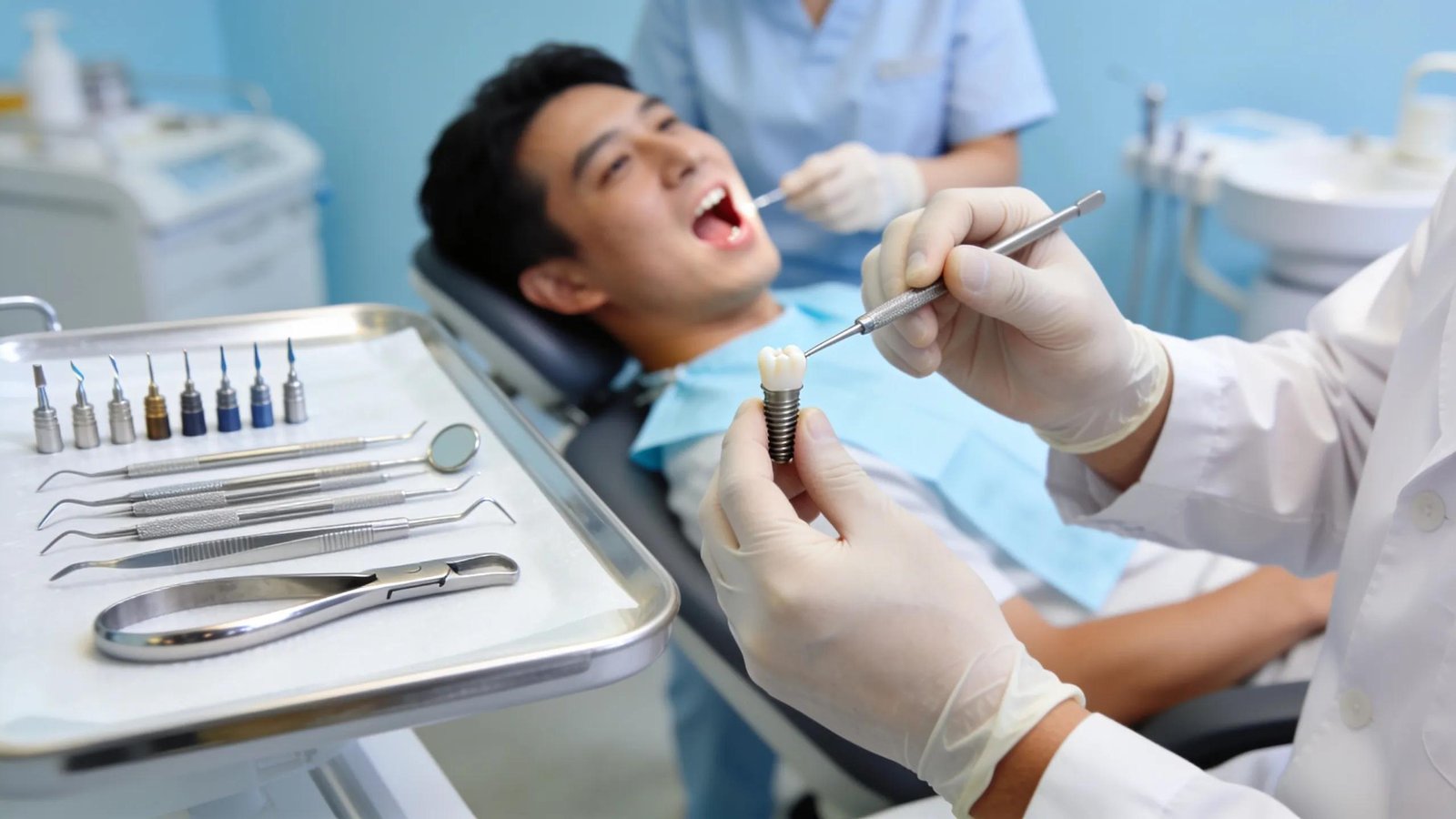
Mini dental implants are characterized by their narrower diameter compared to standard dental implants, making them suitable for patients with limited bone volume. Structurally, they consist of several key components, including the implant body, abutment, and crown. These implants function similarly to traditional implants; they are anchored in the jawbone and serve as a support for crowns or bridges. Patients opting for mini dental implants benefit both from the effective stabilization of dentures and from an easier implantation process.
This innovation in dental prosthetics offers distinct advantages over traditional methods, particularly for patients with unique anatomical challenges.
Mini Implants for Suboptimal Bone Volume and Narrow Diameter
1. Dental implants represent a significant advancement in prosthodontics; however, their widespread adoption is hindered by their cost and extended treatment duration. Conventional implants are suitable for patients with optimal bone quantity and quality. The appropriate width of dental implants has been a topic of extensive discussion, and manufacturers have recently introduced a range of ‘mini’ implants with reduced diameters. The long-term success rates of these narrow-diameter implants require further assessment.
A pilot study of mini implants as a treatment option for prosthetic rehabilitation of ridges with sub-optimal bone volume, R Kathiresan, 2010
Benefits of Mini Implants:

Mini implants offer a variety of advantages, particularly for individuals with narrow ridges.
- Less Invasive Procedure: Since mini implants require smaller incisions and less bone removal, the procedure is generally less invasive, resulting in reduced discomfort for patients.
- Cost Effectiveness: With costs averaging between $300 and $1,500 per implant, mini implants present a budget-friendly alternative, particularly when compared to traditional implants.
- Immediate Loading: Many mini implants can be loaded immediately post-surgery, allowing for a quicker transition to functional dentition.
Those interested in mini implant procedures can consult with Dr. Thu Nguyen, a highly qualified dental professional with over 16 years of clinical experience, to explore these options and assess their suitability.
Procedure for Mini Implants:
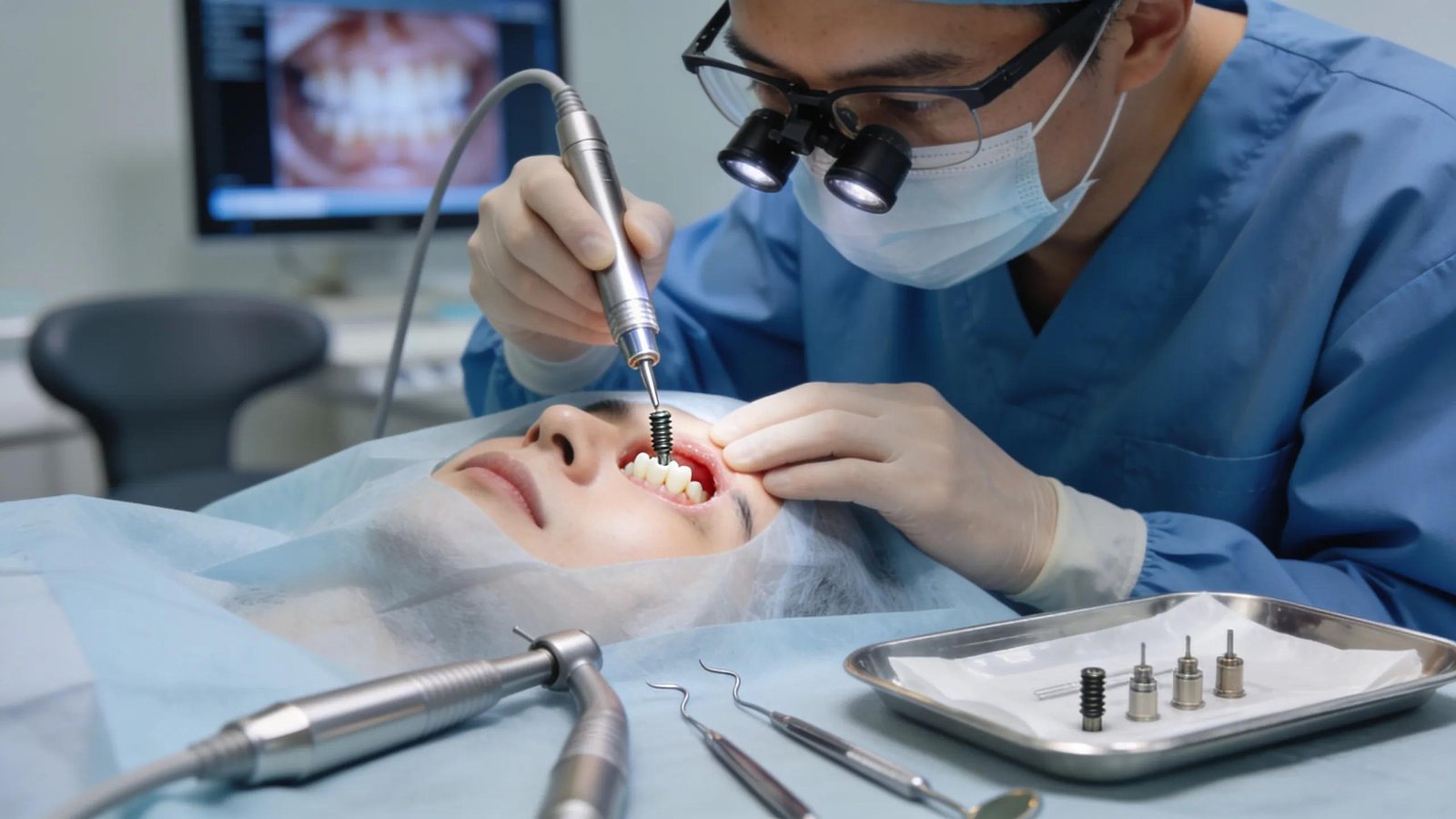
The mini implant procedure typically involves several steps designed to ensure a successful placement. The initial consultation allows the dentist to evaluate the patient’s bone structure and overall dental health. Following this, the surgical placement of the mini implants can be conducted, often under local anesthesia. The procedure generally takes about one to two hours. Post-operative care is crucial, as patients are advised to follow specific guidelines to ensure proper healing and integration of the implants with the jawbone.
Recovery Timeline:
Recovery from mini implant surgery usually entails a relatively swift healing process. Initial healing typically occurs within 24-48 hours, during which patients may experience mild discomfort that can be managed with over-the-counter pain relievers. Full integration of the implants may take between 3 to 6 months, during which ongoing follow-up appointments are essential to monitor progress and ensure that healing is on track.
Cost Considerations:
Understanding the financial implications of mini implants is crucial for prospective patients. Mini implants range from $300 to $1,500 each, which can vary based on the complexity of the procedure and individual patient needs. Financing options are often available, making this innovative dental solution more accessible. Dr. Nguyen’s expertise in managing cost-effective treatments can guide patients in making informed decisions that suit their financial situations.
This cost overview illustrates the financial considerations involved with mini implants, enabling patients to budget effectively for their dental care.
Patient Guide:
For patients considering mini implants, understanding the steps involved can enhance the experience. Key points include:
- Consultation Scheduling: It’s essential to arrange an initial appointment to evaluate potential candidacy for mini implants.
- Post-Operative Care Tips: Adhering to care instructions post-surgery will facilitate a smooth recovery, including dietary restrictions and oral hygiene practices.
- Financing Options: Explore available financing options provided by Dr. Nguyen to alleviate financial concerns related to mini implants.
What Are Mini Dental Implants and How Do They Help Narrow Ridges?
Narrow ridges can complicate the success of traditional dental implants, often requiring bone grafting to augment the jaw structure. Mini dental implants address these challenges by offering a smaller diameter option that can be successfully placed in tighter spaces, reducing the necessity for grafting procedures. This makes them an ideal solution for those who have experienced bone loss or have previously been deemed ineligible for traditional implants.
Understanding Narrow Ridge Dental Solutions
When dealing with narrow ridges, dental solutions must be tailored to fit the specific anatomical constraints of the patient’s jaw. Mini implants serve as a bridge in treatment, providing reliable support without the extensive modifications required by traditional implants. By utilizing mini implants, patients can preserve the existing bone structure while achieving the desired aesthetic and functional outcomes.
How Mini Dental Implants Address Narrow Jawbone Limitations
Mini dental implants simplify the process of dental restoration for patients facing bone density issues. Their design and streamlined approach mean fewer surgical requirements, thus offering a safer experience. The lesser invasiveness not only leads to decreased discomfort during and after the procedure but also allows for quicker recovery times, facilitating more immediate restoration options.
What Are the Benefits of Mini Implant Overdentures?
Mini implant overdentures provide a remarkable alternative to conventional dentures. The key benefits include:
- Enhanced Stability: The implants offer a secure anchoring point for dentures, preventing slippage and improving function.
- Comfort: Patients experience greater comfort as mini implants minimize the pressure on gums compared to traditional dentures.
- Improved Confidence: With enhanced functionality and stability, patients often report a boost in self-esteem, as there is a significant reduction in the fear of denture movement.
Comparing Mini Implants vs. Traditional Implants for Narrow Ridges
Comparative analysis shows that while traditional implants may require extensive surgical procedures, mini implants represent a less invasive option that offers similar benefits in cases of narrow ridges. Traditional implants typically demand adequate bone volume, often leading to complications. Mini implants circumvent these issues by facilitating placement in reduced bone areas.
How Is the Mini Dental Implants Procedure Performed?
The procedure for mini dental implants begins with a thorough assessment to determine patient suitability. Following the evaluation, local anesthesia is administered to ensure comfort during the procedure. Using specialized tools, the surgeon will create precise holes in the jawbone to accommodate the implants. Once positioned, healing caps may be placed to assist with the proper healing of the surrounding tissues. Patients are given specific post-operative care instructions to promote optimal recovery.
Who Is Eligible for Mini Implants on Narrow Ridges?
Patients who specifically benefit from mini implants include those with narrow ridges and limited bone density. Ideal candidates generally have good overall health, as this influences healing and integration. Individuals seeking an effective solution to support dentures can also find mini implants a beneficial option. Consulting with Dr. Nguyen can help identify if mini implants are the right fit for those seeking dental restoration.
What Is the Cost of Mini Dental Implants and Overdentures?
The costs associated with mini dental implants and overdentures can vary based on several factors. As previously indicated, mini implants range from $300 to $1,500. When considering overdentures, it is vital to factor in the cost of implant placement along with the denture itself, which can further influence the overall budget. A comprehensive treatment plan that encompasses both aspects will help patients understand their financial commitment.
Financing Options for Mini Implant Treatments
Many practices, including those led by Dr. Nguyen, offer financing solutions to make mini implant treatments more accessible. Options may include payment plans, credit solutions, or partnerships with dental financing institutions. Discussing these choices during the initial consultation can aid patients in making informed decisions regarding their treatment.
What Maintenance Is Required for Mini Implants on Narrow Ridges?
Post-treatment care for mini implants is comparable to standard dental hygiene practices, involving regular brushing and flossing to maintain oral health. Patients should attend routine dental check-ups to ensure the stability of the implants. Additionally, being mindful of diet and avoiding certain hard or sticky foods will help extend the lifespan of the mini implants.
Understanding Mini Dental Implants: Benefits, Costs, and Treatment
Dr. Thu Nguyen is a recognized expert in the field of dental implants and has built significant expertise particularly in mini dental implants over her 16 years of clinical practice. Her commitment to continuing education and patient care emphasizes the importance of providing tailored solutions based on individual patient needs. Through her proven experience, Dr. Nguyen ensures patients receive the highest level of care and informed guidance throughout their implant journey.
What Are Frequently Asked Questions About Mini Implants for Narrow Ridges?
Addressing common inquiries assists patients in understanding the mini implant process:
- How long does the implant last?: With proper care, mini implants can last many years, similar to traditional implants.
- Will I experience pain during the procedure?: Most patients report minimal discomfort due to the use of local anesthesia and the less invasive nature of the procedure.
- What if I have bone loss?: Mini implants are specifically designed to accommodate patients with limited bone structure, making them a viable option in such cases.