
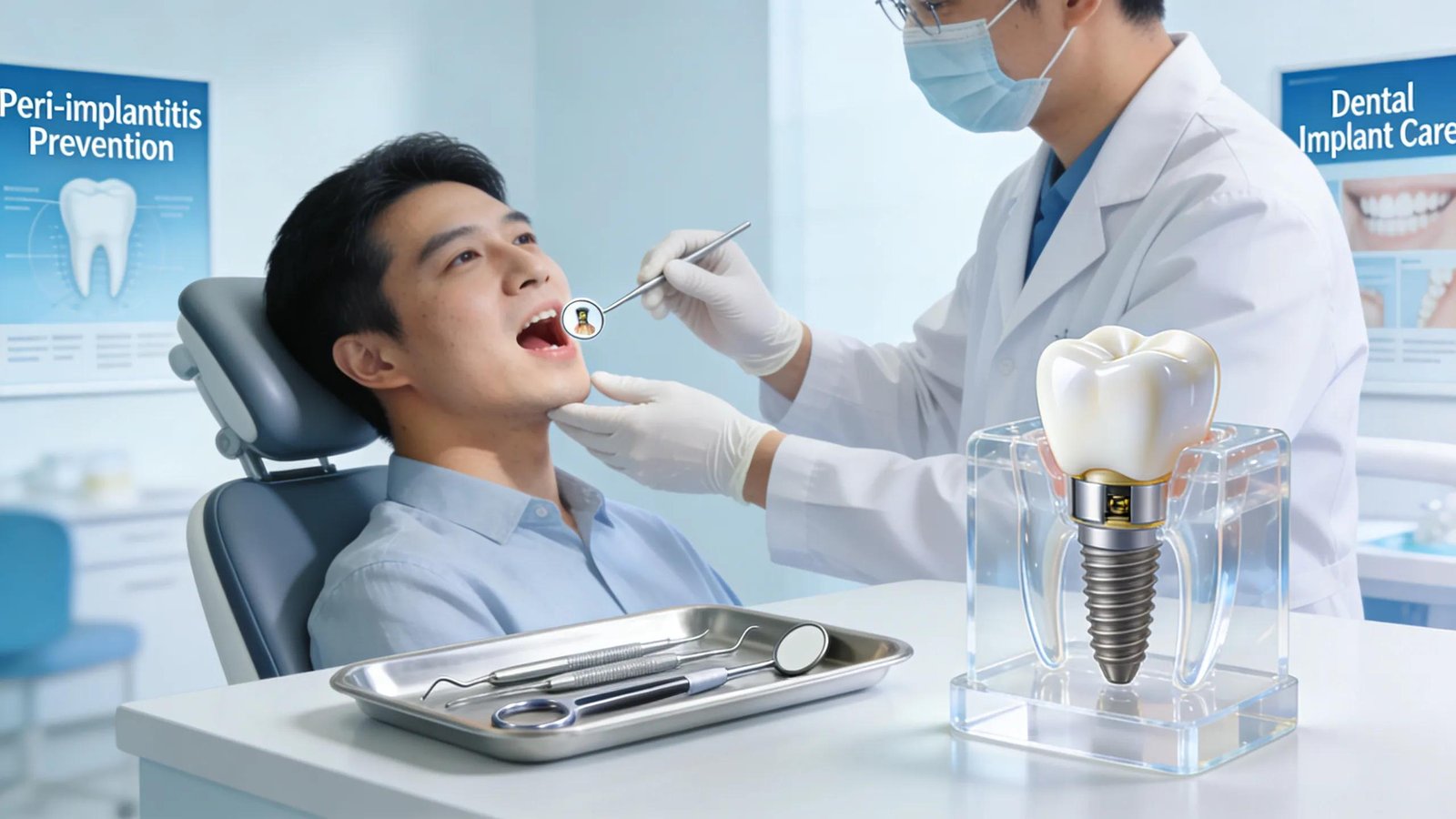
Peri-Implantitis Causes, Symptoms, and Treatment: Understanding Implant Infection and Effective Care
By Thu Nguyen, Anaheim Implants & Dental Group
Peri-implantitis represents a growing concern in the realm of dental implants, often characterized by inflammation and infection impacting the tissues surrounding dental implants. This condition not only poses significant risks to the longevity of dental implants but can also adversely affect patients’ overall oral health. In this comprehensive guide, we will delve into the intricacies of peri-implantitis, detailing its causes, symptoms, diagnosis, and treatment options. Understanding this condition is essential for both patients and dental professionals alike, offering insights into effective management strategies. Throughout this article, we will explore critical areas including the common causes of implant infections, how to recognize symptoms early, and the best practices for treatment and prevention.
What Are the Main Causes of Peri-Implantitis and Implant Infection?
Peri-implantitis arises from several underlying causes, primarily involving microbial factors and patient-specific conditions. One prominent issue is the formation of bacterial biofilms around the implant surface, which can provoke an inflammatory response leading to infection. Furthermore, implant surface contamination before or during surgical placement may significantly increase the risk of developing peri-implantitis. Additionally, individual risk factors such as poor oral hygiene and systemic health conditions also play a crucial role in the onset of this detrimental disease.
How Does Bacterial Biofilm Lead to Peri-Implant Disease?
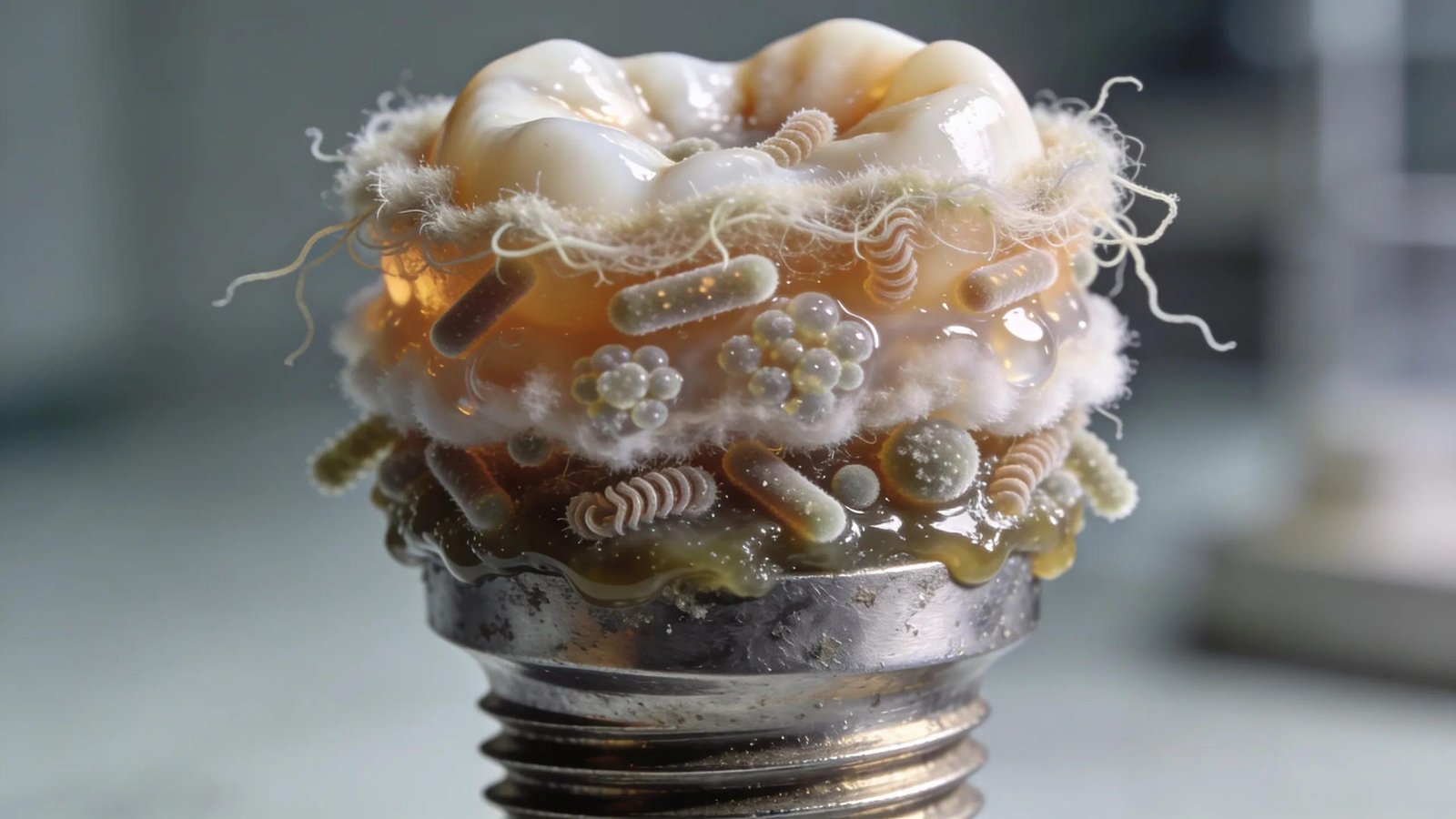
Bacterial biofilms are structured communities of bacteria that adhere to surfaces, in this case, the dental implant. Once established, these biofilms can be challenging to eradicate, as they often shield the bacteria from both the host’s immune response and antibiotic treatments. The presence of specific bacteria within these biofilms is particularly concerning, as they can produce toxins that damage surrounding gum tissues, ultimately leading to peri-implantitis. This persistent infection may compromise implant stability, making timely diagnosis and intervention critical.
What Role Does Implant Surface Contamination Play in Infection?
Implant surface contamination is another key factor contributing to peri-implantitis development. Contaminants can arise from various sources, including surgical instruments, environmental factors, and improper handling before placement. Research shows that contaminated surfaces are linked to a decreased healing capacity of the surrounding tissues. Effective sterilization techniques are paramount to minimizing the chances of contamination during the procedure, highlighting the importance of meticulous surgical protocols.
What Are the Common Signs and Symptoms of Peri-Implantitis?
Identifying the symptoms of peri-implantitis is crucial for early intervention and effective management. Common signs include redness, swelling, and bleeding of the gum tissues around the implant. Patients may also experience discomfort, mobility of the implant, and the presence of pus, which are indicative of a more serious infection. Understanding these symptoms can lead to timely diagnosis and treatment, reducing the risk of severe complications associated with untreated peri-implantitis.
How to Differentiate Between Peri-Implant Mucositis and Peri-Implantitis Symptoms?
Differentiating between peri-implant mucositis and peri-implantitis is vital as they share some clinical features but have distinct implications for treatment. Mucositis is characterized by inflammation without bone loss, while peri-implantitis involves the loss of supporting bone. Clinical evaluations should include assessments of the depth of pockets around the implant, bleeding on probing, and radiographic analysis to determine the extent of tissue damage accurately.
What Are the Observable Effects of Dental Implant Infection?
The observable effects of dental implant infections can vary widely, but they often include the following:
- Bleeding: Gum bleeding during brushing or probing around the implant.
- Swelling: Increased inflammation and swelling in the surrounding tissues.
- Mobility: Implant mobility indicating bone loss or structural damage.
- Pus Formation: Presence of pus or discharge from the implant area signifies active infection.
Recognizing these symptoms and their implications emphasizes the necessity for prompt treatment to avert more severe outcomes.
How Is Peri-Implantitis Diagnosed?
Diagnosing peri-implantitis involves a combination of clinical assessments and diagnostic tools. Health professionals must evaluate the implant, surrounding tissue, and any signs of infection using systematic approaches.
Which Diagnostic Techniques Identify Early Peri-Implant Infection?
Clinics commonly employ methods such as clinical examinations, probing depth measurements, and radiographic evaluations to detect early signs of peri-implant infection. Modern technology, including three-dimensional imaging, provides enhanced visualization of bone levels and tissue conditions, allowing for more accurate diagnoses.
What Are the Key Diagnostic Criteria for Peri-Implantitis?
Key diagnostic criteria incorporate a combination of clinical symptoms and radiographic findings. Clinicians evaluate changes in probing depth, presence of bleeding or pus, and any alterations in bone levels as observed through imaging. Thorough evaluations are integral to formulating effective treatment strategies and prognostic assessments.
What Are the Nonsurgical Treatment Options for Peri-Implantitis?
Nonsurgical approaches for treating peri-implantitis focus on reducing inflammation and controlling bacteria around the implant. Common nonsurgical methods include mechanical debridement and the use of systemic or local antibiotics. These techniques can be effective in managing less severe cases of peri-implantitis, helping to restore gum health and support implant stability.
How Effective Are Antibiotics and Mechanical Debridement?
Research indicates that antibiotics, alongside mechanical debridement, yield positive outcomes in treating peri-implantitis. Mechanical debridement utilizes specialized instruments to remove biofilm and debris from the implant surface, while antibiotics target persistent bacterial populations. Studies suggest that combining these approaches can reduce infection rates and promote tissue healing.
What Patient Education Supports Implant Infection Prevention?
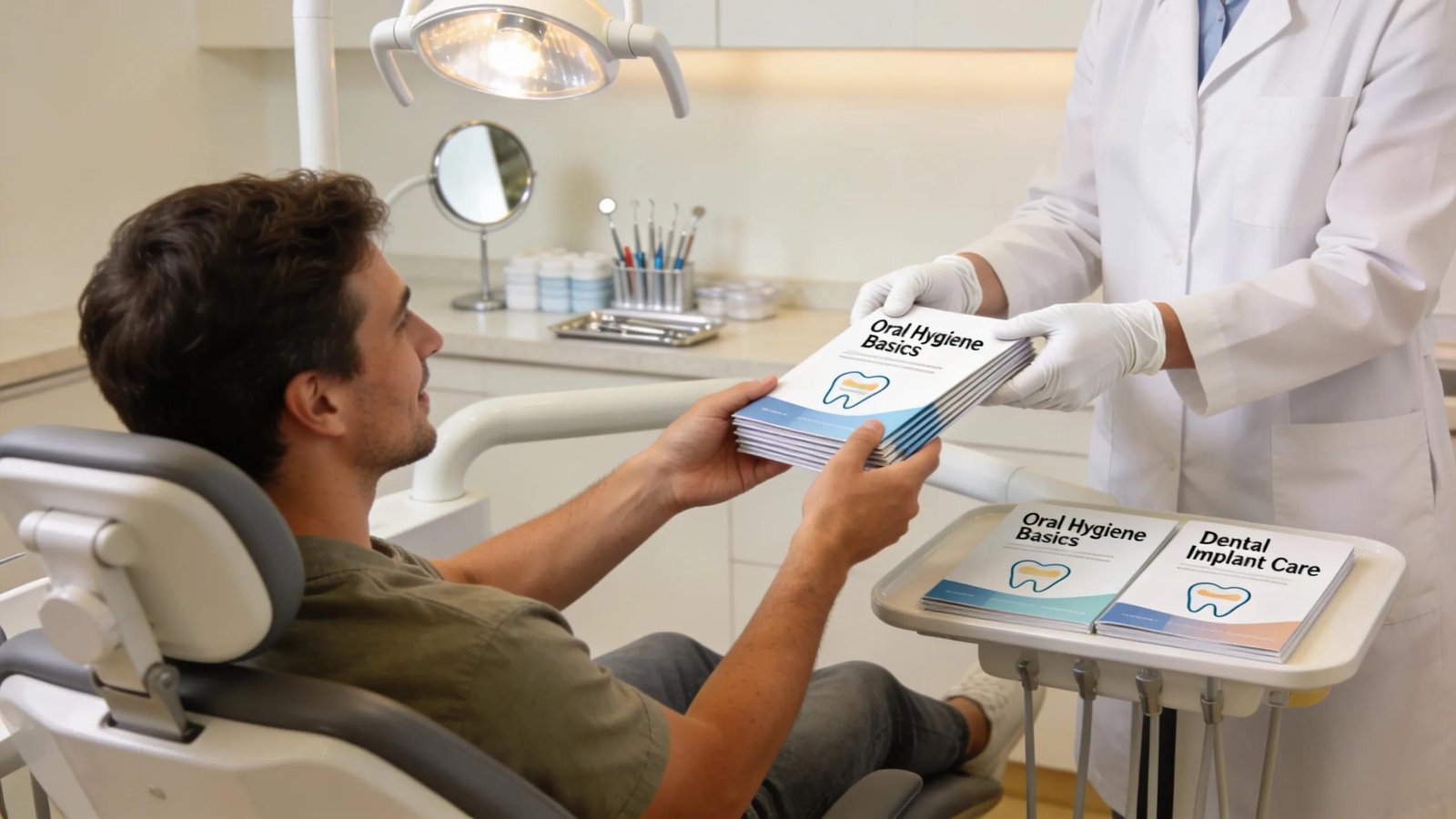
Patient education is a crucial element in preventing peri-implant infections. Providing comprehensive guidance on proper oral hygiene practices, including regular brushing, flossing, and the use of antimicrobial rinses, is essential. Additionally, healthcare providers should emphasize the importance of regular dental check-ups to monitor implant health and facilitate early intervention if necessary.
When Is Surgical Treatment Needed for Peri-Implant Diseases?
Surgical intervention becomes necessary for advanced cases of peri-implantitis, especially when nonsurgical methods fail to control the disease effectively. Surgical procedures aim to remove infected tissue and restore supporting structures to enhance healing outcomes.
What Surgical Procedures Treat Advanced Peri-Implantitis?
Common surgical options include resective and regenerative procedures. Resective techniques focus on removing infected tissues, while regenerative surgeries aim to restore lost bone and soft tissue around the implant. The choice of procedure depends on the severity of the disease and the specific clinical situation.
What Are the Expected Outcomes of Surgical Intervention?
The expected outcomes following surgical intervention for peri-implantitis can vary based on factors such as the extent of tissue loss and overall health. Success rates generally improve with careful selection of surgical techniques and post-operative care. After surgery, patients are often monitored closely to assess healing and implement further preventative strategies.
How to Prevent and Maintain Oral Health to Avoid Peri-Implantitis?
Preventing peri-implantitis relies heavily on maintaining proper oral hygiene practices. Establishing a routine that includes regular dental visits is vital in identifying potential issues early.
What Are Best Practices for Implant Care and Hygiene?
To promote optimal implant health, patients should adhere to best practices, including:
- Daily Oral Hygiene: Brush and floss carefully, focusing on the area around the implant.
- Regular Dental Check-ups: Schedule professional cleanings every six months to monitor implant health.
- Use of Antimicrobial Products: Incorporate mouth rinses with antimicrobial properties to decrease bacterial counts.
These actions significantly contribute to preventing peri-implantitis and sustaining long-term oral health.
How Does Regular Professional Monitoring Reduce Infection Risks?
Regular professional monitoring allows for early detection of any adverse changes in the condition of dental implants. Regular assessments enable practitioners to provide timely interventions, helping mitigate the risks of infection and preserving implant health.
Understanding Peri-Implantitis: Symptoms, Causes, and Treatment
Dr. Thu Nguyen, a highly skilled dentist with over 16 years of clinical experience, leads the team at Anaheim Implants Dental Group. Her extensive background in treating implant infections ensures that patients receive top-tier care tailored to their specific needs.
What Expertise Does Dr. Thu Nguyen Bring to Implant Infection Treatment?
Dr. Nguyen possesses a comprehensive understanding of the complexities associated with peri-implantitis and employs evidence-based treatments to ensure optimal patient outcomes. Her commitment to continuous education and training reflects a dedication to excellence in practice.
How Does Anaheim Implants Ensure Comprehensive Patient Education and Appointment Access?
The team at Anaheim Implants Dental Group prioritizes patient education by providing resources and tools that empower patients to take control of their oral health. Additionally, they facilitate easy access to appointments, ensuring that patients can receive timely care when needed.
What Are Common Patient Questions About Peri-Implantitis?
Addressing frequently asked questions about peri-implantitis is integral to understanding this condition and its management. Clarifying common concerns can help alleviate patient anxiety and promote better treatment compliance.
Is Peri-Implantitis Reversible and How Quickly Should Treatment Begin?
Timely intervention for peri-implantitis is essential, as early stages may be reversible with proper care. Patients experiencing symptoms should seek dental attention as soon as possible to mitigate potential complications.
What Are the Latest Statistics on Peri-Implantitis Prevalence?
Current statistics indicate that peri-implantitis affects approximately 10-30% of dental implants, highlighting the importance of proper management of implant placement and maintenance. Addressing the condition promptly and effectively contributes to better patient outcomes and implant longevity.