
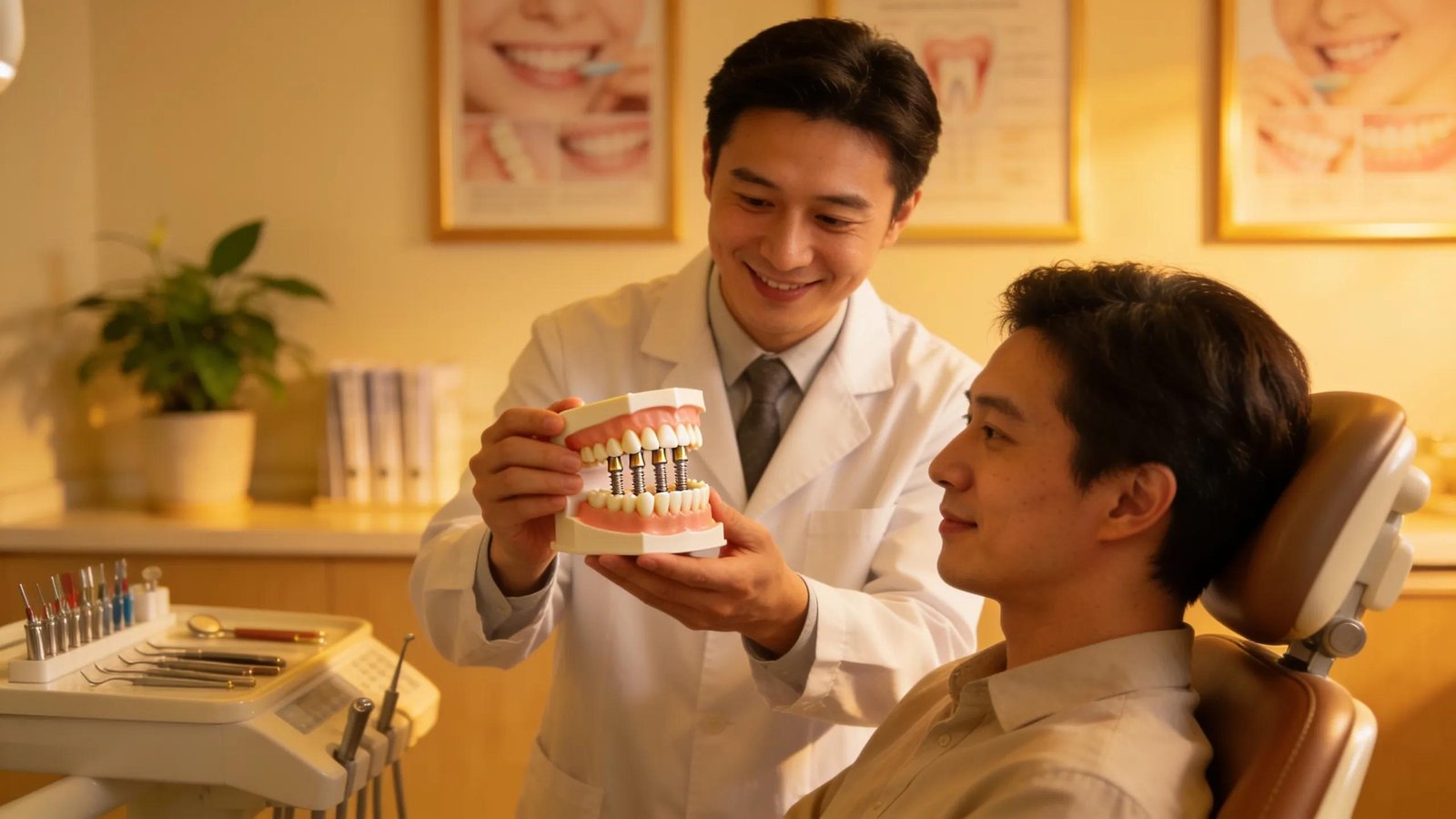
Multiple Tooth Implant Options: Comprehensive Guide to Implant Supported Bridges and Replacement Solutions
By Thu Nguyen, Anaheim Implants & Dental Group
Multiple tooth implants offer a transformative solution for individuals with significant tooth loss, enhancing both functionality and aesthetics. This comprehensive guide covers the spectrum of implant-supported bridges and other replacement solutions available for those seeking to restore their smiles. Readers will learn about the various types of multiple tooth implants, their unique benefits, and essential considerations for choosing the right options tailored to individual needs.
Tooth loss can significantly impact a person’s quality of life, leading to difficulties in eating, speaking, and self-esteem. Fortunately, multiple tooth implant options provide a durable and effective way to replace lost teeth, restoring function and confidence. This article examines different implant options available, the advantages of implant-supported bridges, and important factors such as cost considerations, recovery processes, and why seeking treatment from experts like Dr. Thu Nguyen at Anaheim Implants Dental Group can ensure optimal outcomes.
Comprehensive Guide on Multiple Tooth Implant Options
Understanding multiple tooth implant options starts with defining what they are and how they work. Dental implants are artificial tooth roots that provide a strong foundation for fixed or removable replacement teeth. They are designed to blend seamlessly with existing teeth, offering a natural look and feel. This overview addresses the importance of exploring multiple tooth implants and highlights key aspects related to patient healing and overall quality of life.
Multiple tooth implants come in various forms, with applications based on the number of teeth being replaced and the overall health of the patient. They are particularly advantageous for those facing complete or partial tooth loss. The right choice can positively impact the restoration of function, aesthetics, and oral health.
Overview of Multiple Tooth Implant Options
Multiple tooth implants broadly refer to systems designed to support more than one prosthetic tooth. These include fixed implant-supported bridges and removable options. The choice between them can depend on several factors, including individual preference, bone health, and specific dental needs.
The primary types of multiple tooth implants include:
- Fixed Implant Bridges: These provide a permanent solution, secured by implants so that they feel similar to natural teeth.
- Removable Implant Bridges: These can be removed for cleaning and offer flexibility while still providing significant stability compared to traditional dentures.
Understanding the nuances between these types can help patients make informed decisions.
Types of Multiple Tooth Implants
When considering multiple tooth implants, it’s essential to understand the different types of implant options available. The two primary choices are implant-supported bridges and partial dentures.
- Implant-Supported Bridges: Using titanium posts anchored into the jawbone, these provide a stable and lasting solution. They are designed to replace several adjacent teeth and can restore both function and aesthetic appeal.
- Partial Dentures: While less invasive, partial dentures rely on adjacent teeth for support. They may be more budget-friendly but often lack the stability and permanence of implant-supported options.
Choosing between these two requires weighing factors such as stability, longevity, and individual lifestyle preferences.
Benefits of Implant-Supported Bridges
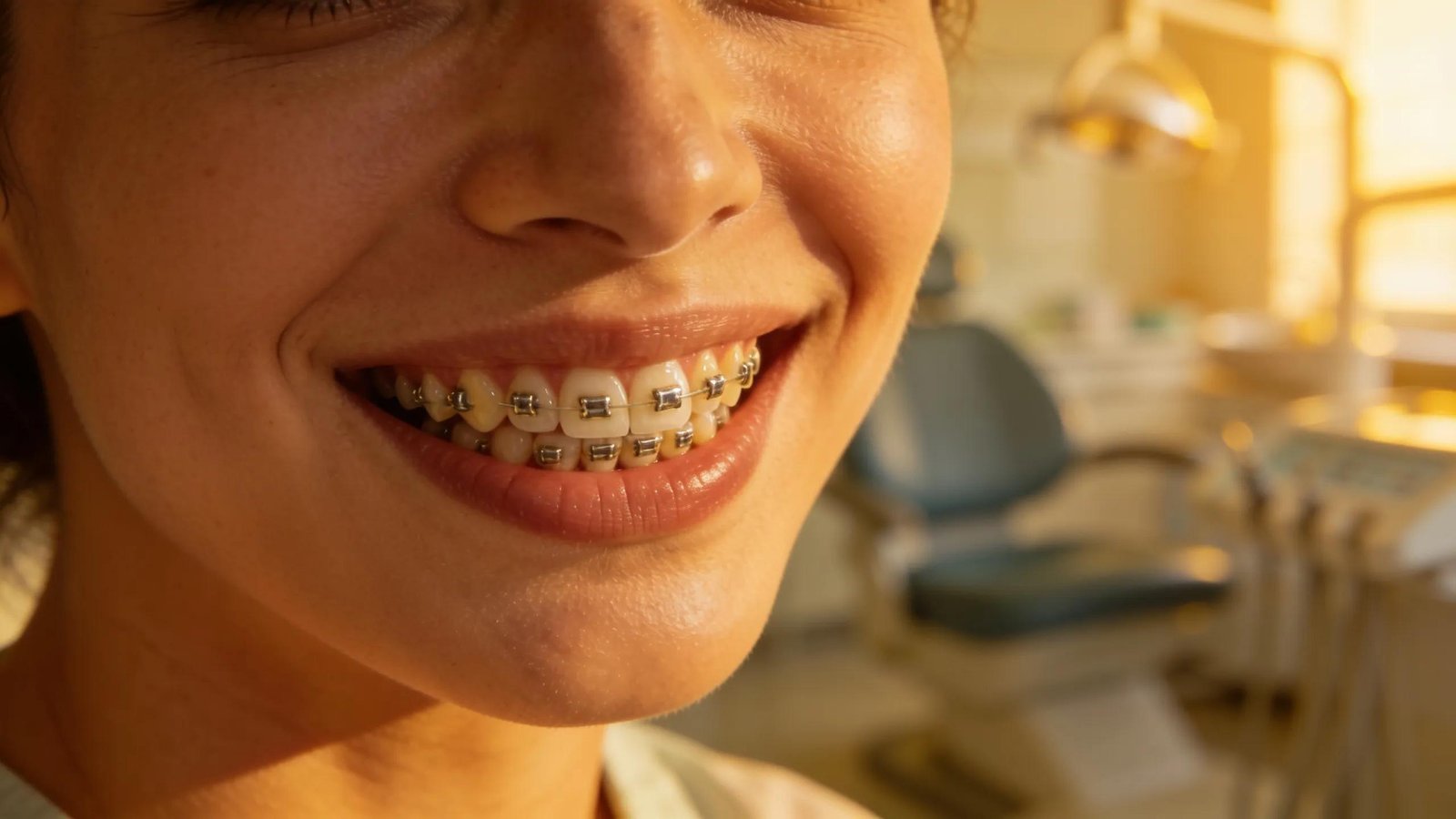
Implant-supported bridges provide several distinctive advantages compared to alternative tooth replacement options.
- Enhanced Stability and Aesthetics: These implants mimic the natural appearance and function of teeth, which boosts confidence and comfort.
- Bone Preservation: By stimulating the jawbone and preventing further atrophy, implant-supported bridges contribute to healthier jaw structure and oral health.
- Improved Oral Health: With no tooth structure being compromised from adjacent teeth, implant-supported bridges promote better dental hygiene and lower the risk of gum disease.
These benefits make implant-supported bridges a superior choice for many patients seeking significant cosmetic and functional improvements to their smile.
Considerations for Choosing the Right Option
Selecting the best multiple tooth implant option requires careful evaluation of several factors:
- Oral Health Assessment: A thorough evaluation of dental health will determine if a patient is a suitable candidate for implants or if adjunct treatments, like bone grafts, are necessary.
- Lifestyle Considerations: Patients should consider their dietary habits and level of commitment to oral care, as these can influence implant success.
- Cost Evaluations: Understanding the financial implications and available financing options is crucial in making informed decisions about dental care.
Discussing these factors with a qualified dental professional can provide clarity and guide patients in their choices.
Comparisons with Partial Dentures
When evaluating the differences between implant-supported bridges and partial dentures, several key contrast points emerge:
- Stability Differences: Implant-supported bridges provide superior stability over partial dentures, as they are anchored into the jawbone, whereas partial dentures can shift during use.
- Longevity Expectations: Implants can last decades with proper care, while partial dentures often require replacement every 5-10 years.
- Maintenance Requirements: While both options require good oral hygiene, implant-supported bridges generally have fewer maintenance requirements due to their fixed nature.
This comparative analysis underscores the long-term benefits of choosing implant-supported bridges over traditional partial dentures.
Understanding Multiple Tooth Implant Solutions and Procedures
Cost remains a significant factor for many individuals considering multiple tooth implants. While the initial expense may be higher compared to removable dentures, patients often find that implants are a more cost-effective choice due to their longevity.
- Pricing Variations: The cost of multiple tooth implants can vary widely based on the complexity of the procedure and the materials used, typically ranging from $3,000 to $30,000 depending on the number of implants and additional necessary treatments.
- Financing Options Available: Many dental groups provide flexible financing solutions to help manage the costs of implants. Patients should inquire about available payment plans.
- Factors Influencing Costs: Elements such as the location of the practice, the expertise of the providers, and individual oral health requirements can considerably affect pricing.
By engaging in a detailed discussion about these aspects with a dental professional, patients can better navigate the financial side of their dental choices.
Recovery Process and Aftercare
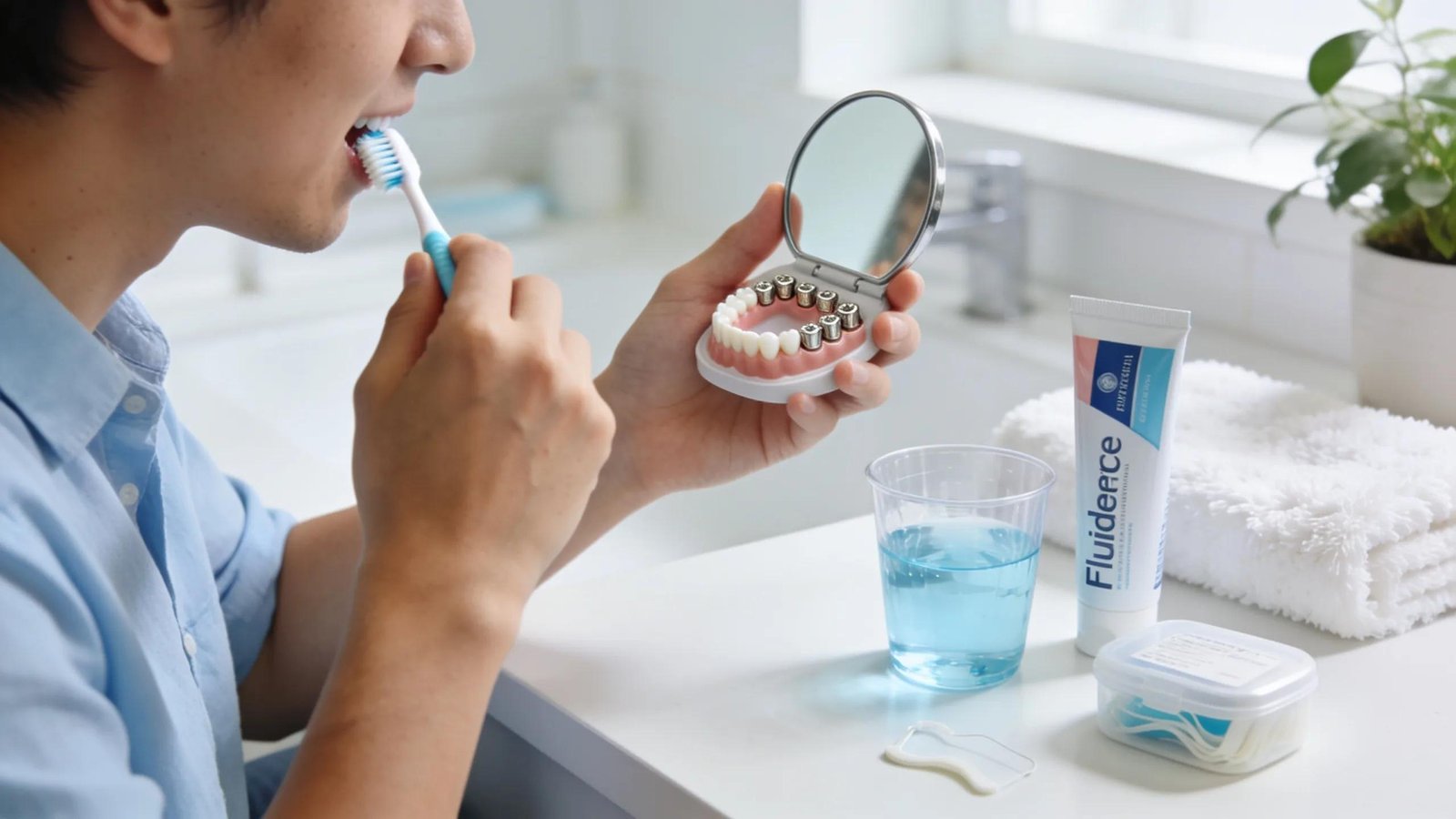
Understanding the recovery process after receiving multiple tooth implants is vital for successful healing and integration of the implants:
- Expected Recovery Timelines: Most patients experience a recovery period of 1-2 weeks for initial healing, although full integration can take several months.
- Aftercare Maintenance: Good oral hygiene practices, including brushing and regular dental check-ups, are essential for maintaining the implants and overall oral health.
- Oral Hygiene Importance: Patients must follow careful oral hygiene procedures to prevent infection in the implant site, which can compromise the success of the implants.
Successful recovery depends on adhering to post-operative care instructions provided by dental professionals.
What Are Multiple Tooth Implant Options and Their Benefits?
Multiple tooth implant options are designed to restore lost teeth and improve overall oral functionality. They work by providing a stable foundation that enhances bite strength and prevents issues related to tooth loss. The benefits include aesthetic restoration, improved confidence, and overall better oral health.
Which Types of Implant Bridges Are Available for Multiple Teeth?
The options available for replacing multiple teeth with implants form an essential consideration in dental restoration. Understanding the differences between fixed and removable implants influences the outcome and satisfaction of patients.
What Is a Fixed Implant Bridge vs. a Removable Implant Bridge?
A fixed implant bridge is permanently anchored in the jawbone, usually providing better stability and aesthetics compared to a removable bridge. In contrast, a removable implant bridge allows for easier cleaning and maintenance but may lack the same level of comfort and stability.
How Do Partial Denture Implants Compare to Implant Supported Bridges?
Partial denture implants present a more flexible option compared to the more permanent solution of implant-supported bridges. While partial dentures can be a more economical choice initially, implant-supported bridges provide superior stability, longevity, and overall user experience.
What Is the Step-by-Step Procedure for Getting an Implant Bridge?
The process of obtaining an implant bridge involves several critical steps to ensure success:
- Initial Consultation: Patients undergo a detailed examination and discussion of goals.
- Surgical Procedure: Implants are surgically placed into the jawbone, where they begin the healing and integration process.
- Abutment Placement: After recovery, an abutment is placed to support the bridge.
- Bridge Installation: The final bridge is crafted and placed to restore functionality and aesthetics.
How Long Does Recovery Take After Multiple Tooth Implant Surgery?
Recovery from implant surgery typically takes between 1 to 2 weeks for initial healing, with complete integration of the implants occurring over several months. Individual recovery timelines can vary based on several factors, including patient health and adherence to post-operative care.
How Much Does an Implant Supported Bridge Cost and What Financing Options Exist?
Understanding the financial aspect is crucial for anyone considering an implant-supported bridge. The costs associated with these procedures can vary widely, often influenced by factors such as the complexity of the case and the materials used.
What Factors Affect Implant Bridge Cost?
Several elements can impact the cost of implant bridges, including:
- Location and Expertise: The geographical area and the dental provider’s experience level can drive costs higher or lower.
- Procedure Complexity: Additional procedures like bone grafting will increase total costs.
- Material Types: The choice of materials and technology used can significantly influence pricing.
What Are Common Financing Solutions for Multiple Tooth Implants?
Many dental practices offer financing options to make multiple tooth implants more accessible, ensuring patients can afford their desired treatments without significant financial strain. Options may include payment plans, dental insurance coverage, or third-party financing companies tailored for healthcare expenses.
Why Choose Dr Thu Nguyen and Anaheim Implants Dental Group for Multiple Tooth Implants?
Selecting the right dental provider is vital for a successful implant process. Dr. Thu Nguyen and the team at Anaheim Implants Dental Group are dedicated to providing high-quality care tailored to individual patient needs.
What Expertise Does Dr Thu Nguyen Provide in Implant Dentistry?
Dr. Thu Nguyen specializes in implant dentistry, with extensive training and experience in delivering personalized treatment plans. This expertise ensures patients receive the highest level of care, resulting in successful outcomes for their dental needs.
What Do Patients Say About Their Implant Bridge Experience?
Patient feedback underscores the positive impact of implant procedures on quality of life. Many report substantial increases in confidence, improved oral function, and satisfaction with their treatment decisions.
What Are the Latest Advances and Materials Used in Implant Bridges?
Recent advancements in dental implant technology and materials have vastly improved the experience and outcomes for patients.
How Are Minimally Invasive Techniques Improving Implant Procedures?
Minimally invasive techniques reduce recovery time and discomfort, allowing for a smoother surgical experience. These advancements focus on precision and reduced trauma to surrounding tissues.
What Implant Bridge Materials Ensure Durability and Comfort?
Current dental materials, including titanium and zirconia, provide superior strength and biocompatibility, enhancing the longevity and comfort of implant-supported bridges.
What Are Common Questions About Multiple Tooth Implant Options?
As patients consider multiple tooth implants, several common questions often arise.
How Long Do Implant Bridges Typically Last?
Implant bridges generally last 10-20 years, depending on factors like oral hygiene, lifestyle, and the quality of the dental work involved.
What Are the Pain and Comfort Levels During and After Surgery?
Most patients report manageable discomfort following the procedure, which can be effectively managed with prescribed pain relief. Overall, implant surgery tends to be well-tolerated.
Are Implant Bridges Suitable for All Patients Needing Multiple Tooth Replacement?
Implant bridges offer a suitable solution for many but may not be appropriate for patients with particular health conditions or insufficient bone density. Proper assessment by a dental professional is essential to determine eligibility.