
Comprehensive Guide to Crowns, Bridges, and Long-Term Dental Restorations for Lasting Tooth Health
By Thu Nguyen, Anaheim Implants & Dental Group
Dental restorations such as crowns and bridges play a vital role in maintaining oral health and enhancing smiles. These dental solutions are both functional and aesthetic, and understanding them can significantly influence one’s choices when facing tooth damage or loss. This comprehensive guide covers the various types of crowns and bridges, their materials, functionalities, maintenance, and long-term impact on dental health. Readers will learn how these restorative options can not only restore functionality but also improve the overall appearance of teeth. Additionally, we discuss follow-up care and the specific advantages of consulting with experienced professionals such as Dr. Thu Nguyen from Anaheim Implants Dental Group.
Types of Restorations:
Crowns and bridges serve crucial purposes in dental restoration. Crowns are utilized to cover a damaged tooth, while bridges are effective for replacing missing teeth by anchoring to adjacent teeth. Both can be crafted from various materials to fit the patient’s specific needs.
Understanding Dental Crowns, Bridges, and Restorative Solutions
The primary function of dental restorations like crowns and bridges is to restore the ability to chew and maintain the structure of remaining teeth. Crowns strengthen weakened teeth, preventing further damage, while bridges prevent surrounding teeth from shifting into gaps left by missing teeth, preserving alignment and function.
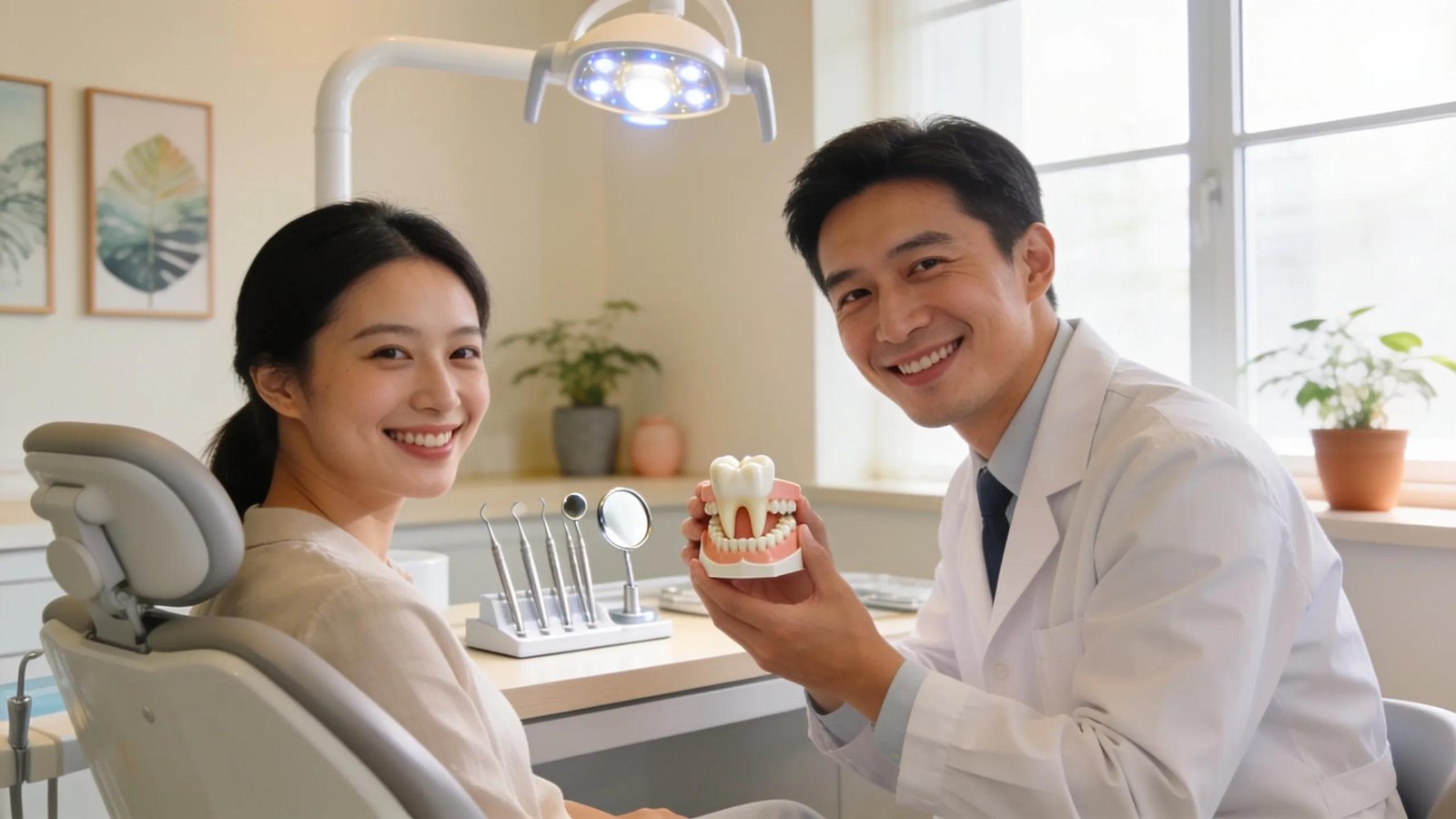
Dr. Thu Nguyen specializes in these restorative treatments, employing comprehensive examination techniques to determine the best options for patients’ unique dental conditions. Her approach combines advanced technology with personalized care to ensure optimal results.
Materials Used:
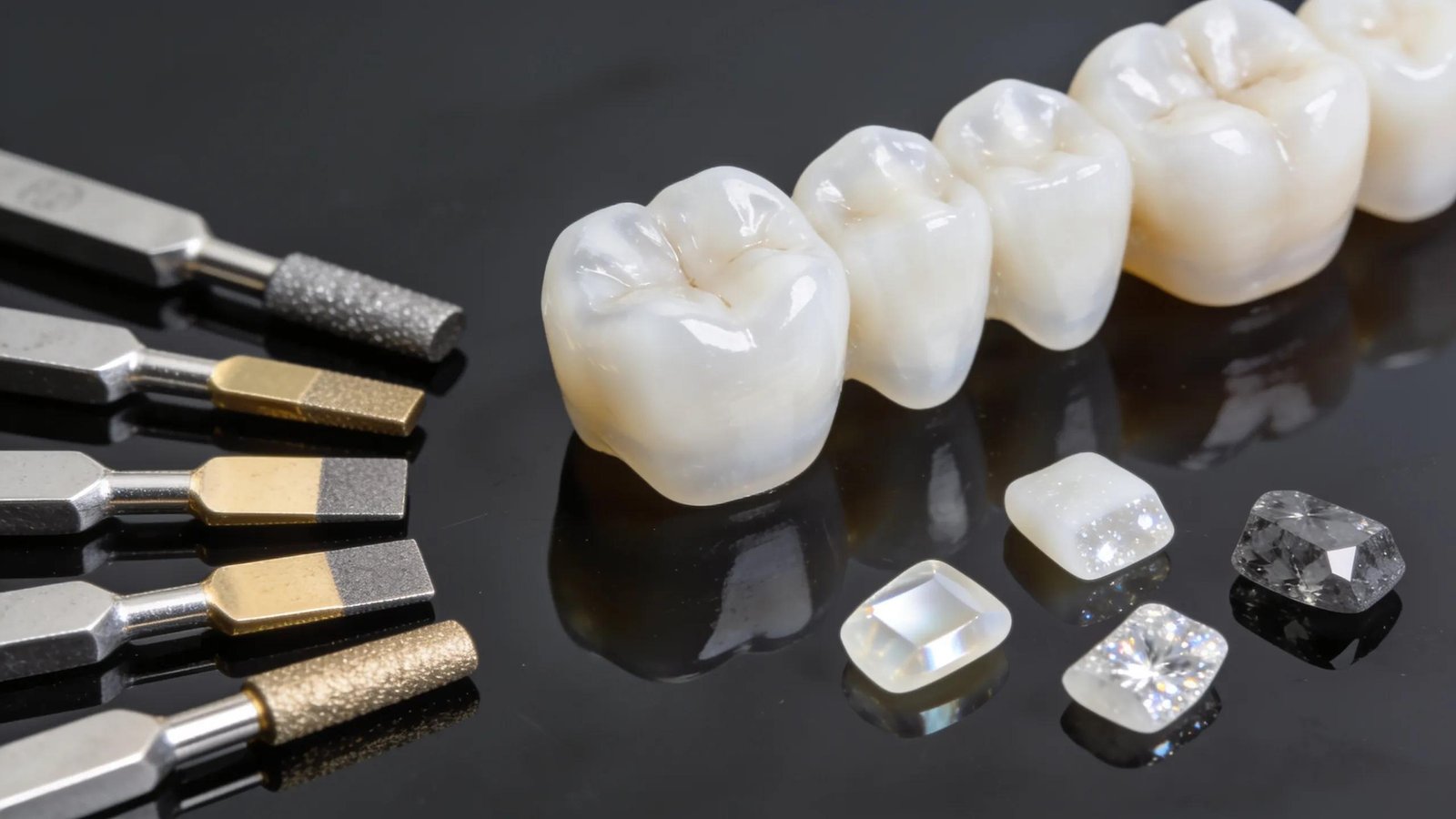
Crowns and bridges can be made using various materials, each with unique properties. Common materials include:
- Porcelain: Provides excellent aesthetics, closely matching natural tooth color.
- Metal Alloys: Known for their strength and durability, often used in posterior teeth restorations.
- Zirconia: Combines strength with aesthetic appeal, making it suitable for both anterior and posterior teeth.
This table highlights how different materials can cater to varying patient needs, making it essential to consult with a dental professional before choosing.
Maintenance:
Proper maintenance of crowns and bridges is crucial for longevity. Good oral hygiene practices include:
- Daily Brushing and Flossing: Essential to remove plaque and prevent decay around restorations.
- Routine Dental Check-Ups: Professional cleaning and evaluations keep restorations in optimal condition.
- Avoiding Hard Foods: Can help prevent damage to restorations.
Establishing strong daily care habits can significantly enhance the lifespan of these dental solutions.
Impact on Long-Term Tooth Health:
Crowns and bridges contribute positively to long-term tooth health by preventing further decay, maintaining jaw structure, and improving overall oral function. They provide essential support to remaining teeth, contributing to better chewing efficiency and preventing discomfort associated with gaps.
Regular maintenance and timely follow-up visits to professionals like Dr. Thu Nguyen can optimize the results of these restorations, ensuring that they continue to function effectively for many years.
Follow-Up Care:
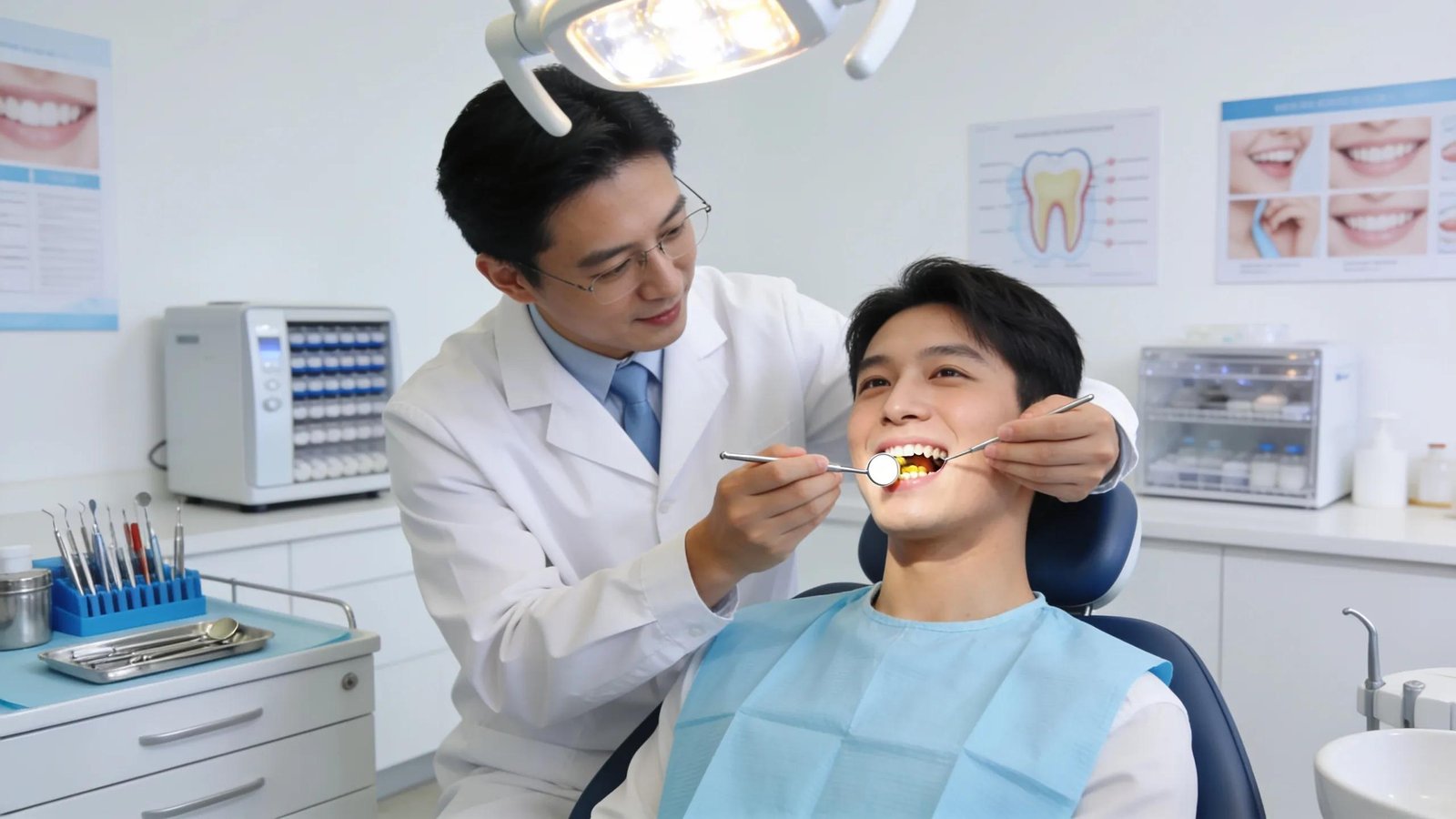
Follow-up care is critical post-restoration to monitor the functionality and aesthetics of crowns and bridges. Regular appointments can help assess:
- Restoration Function: Ensuring they work as intended.
- Aesthetic Appeal: Adjustments may be necessary to maintain the desired look.
- Durability: Monitoring for any signs of wear or damage.
What Is a Dental Crown Procedure and How Is It Performed?
The dental crown procedure typically involves several steps. Initially, a consultation is conducted to assess the need for a crown. The following steps outline the process:
- Initial Consultation: Assessment and treatment plan development.
- Tooth Preparation: The damaged tooth is shaped to accommodate the crown.
- Impressions: Custom molds are taken to ensure a precise fit.
- Crown Placement: Once fabricated, the crown is placed and adjusted.
Which Types of Dental Crowns Are Used for Restoration?
Different types of dental crowns available include:
- Porcelain Crowns: Ideal for enhancing aesthetics, especially in front teeth.
- Metal Crowns: Preferred for their strength, typically used in back teeth where chewing pressure is higher.
- Zirconia Crowns: Offer a balance of aesthetics and durability, making them a versatile option.
Each crown type presents unique characteristics, carefully selected based on the patient’s dental needs.
What Materials Are Commonly Used in Dental Crowns?
Crowns are crafted from multiple materials:
- Porcelain: Outstanding aesthetic quality aligns closely with natural teeth.
- Metal: Highly durable, used primarily for back teeth.
- Zirconia: Known for strength and natural appearance, suitable for various restorations.
Patients should understand the advantages and disadvantages of each material to make informed choices.
Zirconia is particularly notable for its evolution in dentistry, offering significant improvements in both aesthetics and durability, as detailed in recent research.
Monolithic Zirconia in Dentistry: Esthetics, Durability, and Cementation
This article aims to thoroughly examine the evolution of dental zirconia, including its varieties, characteristics, applications, and cementation techniques. A comprehensive search was conducted across the PubMed and Embase databases, limited to articles published in English. The final search was performed in October 2021. Recently developed monolithic zirconia ceramics has significantly improved esthetics and translucency. However, further in vitro and in vivo research is essential to determine the material’s ability to maintain its exceptional properties long-term. According to current literature, monolithic translucent zirconia has shown promising results and a notable longevity rate. Therefore, this material is recommended for applications requiring both strength and esthetics. Monolithic zirconia in dentistry: Evolving aesthetics, durability, and cementation techniques–an in-depth review, HN Jabber, 2023
How Do Dental Bridges Restore Missing Teeth?
Dental bridges function effectively to restore the gaps left by missing teeth. They are anchored to adjacent teeth, ensuring stability and support. This restorative method enhances not only the physical appearance but also the chewing function.
What Are the Differences Between Fixed and Removable Dental Bridges?
The primary differences between fixed and removable bridges are:
- Fixed Bridges: Permanently cemented to adjacent teeth; can’t be removed.
- Removable Bridges: Can be taken out for cleaning and maintenance, allowing for more convenience but potentially less stability.
How Is an Implant-Supported Bridge Different from a Traditional Dental Bridge?
Implant-supported bridges involve anchors placed directly into the jawbone, offering a more stable option compared to traditional bridges that rely on neighboring teeth for support. This method enhances durability and can prevent bone loss, promoting long-term oral health.
What Are the Long-Term Dental Restoration Options Available?
Long-term dental restoration options include various types of crowns, bridges, and implants. Each option has unique benefits:
- Crowns: Provide strength to compromised teeth.
- Bridges: Fill gaps left by missing teeth effectively.
- Implants: Offer permanent solutions for tooth loss with the potential for the longevity of function.
The use of zirconia-based materials revolutionizes restorative dentistry by offering exceptional strength, biocompatibility, and aesthetic advantages that closely mimic natural teeth.
Zirconia-Based Materials: Progress and Obstacles in Dental Applications
Zirconia ceramics, a class of metal oxide ceramics, are notable for their impressive physicochemical and mechanical attributes. Known for their bioinertness, these ceramics are non-toxic, exhibit excellent biocompatibility, and possess superior mechanical strength. Furthermore, zirconia’s inherent aesthetic qualities allow it to closely emulate the appearance of natural dentition, rendering it an optimal selection for dental prostheses, including crowns, bridges, and veneers. This review investigates the intricate correlation between zirconia’s microstructure, encompassing factors like grain size, porosity, and phase composition, and their influence on its translucency and mechanical resilience. Advances and challenges in zirconia-based materials for dental applications, 2024
How Do Implants Compare to Bridges for Long-Term Durability?
Dental implants tend to offer superior durability compared to bridges. They integrate with the jawbone for stability, often lasting beyond 10 years, while traditional bridges may need replacement after 5-15 years. The choice between these options depends on factors such as dental health and preferences.
What Maintenance Is Required for Longevity of Crowns and Bridges?
We recommend:
- Consistent Oral Hygiene: Regular brushing, flossing, and mouth rinsing.
- Scheduled Professional Cleanings: Biannual dental visits to maintain health.
- Avoiding Habitual Bad Habits: Such as chewing on hard objects to prevent damage.
How Much Does a Dental Bridge Cost and What Factors Influence Pricing?
The cost of dental bridges can vary based on several factors, including the type of materials used, the complexity of the case, and the specific dental practices involved.
What Are the Cost Differences Between Various Types of Dental Crowns?
Cost differences among crown types stem from material costs. For instance, a porcelain crown may range higher than a metal one due to aesthetic considerations. Hence, understanding pricing options helps patients make informed decisions ondental restorations.
Does Insurance Typically Cover Crowns, Bridges, or Implant Services?
Most dental insurance plans provide coverage for crowns and bridges, although policies can vary. It’s essential to check the specifics of coverage to understand out-of-pocket expenses for restorative services.
Why Choose Dr. Thu Nguyen and Anaheim Implants Dental Group for Your Dental Restorations?
Choosing Dr. Thu Nguyen and Anaheim Implants Dental Group provides several advantages. Her expertise ensures that every patient receives personalized treatment strategies, focusing on both functional outcomes and aesthetic results.
What Expertise Does Dr. Nguyen Bring to Implant-Supported Bridges?
Dr. Thu Nguyen’s background in prosthodontics offers extensive knowledge in designing and placing implant-supported bridges. Her clinical experience translates into a high level of care and attention to detail throughout the restoration process.
How Does Personalized Patient Care Enhance Treatment Outcomes?
Personalized patient care significantly impacts treatment results. By tailoring treatment plans to fit individual needs, Dr. Nguyen builds strong patient-provider relationships, fostering trust and improving overall satisfaction with the dental experience.
What Are the Latest Advances in Materials and Techniques for Crowns and Bridges?
Recent developments in crown and bridge technology focus on enhancing durability and aesthetics. Innovations provide better fit and function while improving patient comfort during procedures.
How Do Porcelain and Zirconia Improve Aesthetic and Durability?
Both porcelain and zirconia have revolutionized dental restorations with their ability to mimic natural tooth aesthetics while offering superior strength. Their combined effects ensure longevity and enhance the smile appearance.
What Are the Recent Clinical Findings on Implant Survival Rates?
Research indicates that modern implants exhibit high survival rates, often exceeding 90% over ten years. Factors such as proper placement techniques and patient health substantially contribute to these success rates.
How Can Patients Book Consultations and What Should They Expect During Appointments?
Scheduling a consultation with Anaheim Implants Dental Group is straightforward and convenient. Potential patients can expect thorough assessments leading to personalized treatment plans.
What Is the Streamlined Appointment Process at Anaheim Implants Dental Group?
The appointment process typically starts with contacting the office to schedule a visit. Patients receive clear communication regarding what to expect, ensuring they feel prepared for their consultations.
What Questions Should Patients Ask About Crowns and Bridges?
When consulting about crowns and bridges, patients should consider asking:
- What type of crown or bridge is recommended?
- What are the costs and payment options?
- How long can I expect the restoration to last?
These foundational questions help patients gain clarity on their treatment options.
What Are the Most Common Patient Questions About Crowns, Bridges, and Implants?
Individuals often inquire about the longevity and effectiveness of various restorations. Understanding these details can empower their decision-making regarding dental health.
How Long Do Dental Bridges Typically Last?
Dental bridges generally last between 5 to 15 years, depending on factors including oral hygiene and material quality. Regular check-ups can maximize their lifespan.
Is a Dental Implant Better Than a Bridge?
Dental implants provide a more permanent solution compared to bridges, as they do not rely on adjacent teeth for support and can significantly reduce the risk of bone loss.