
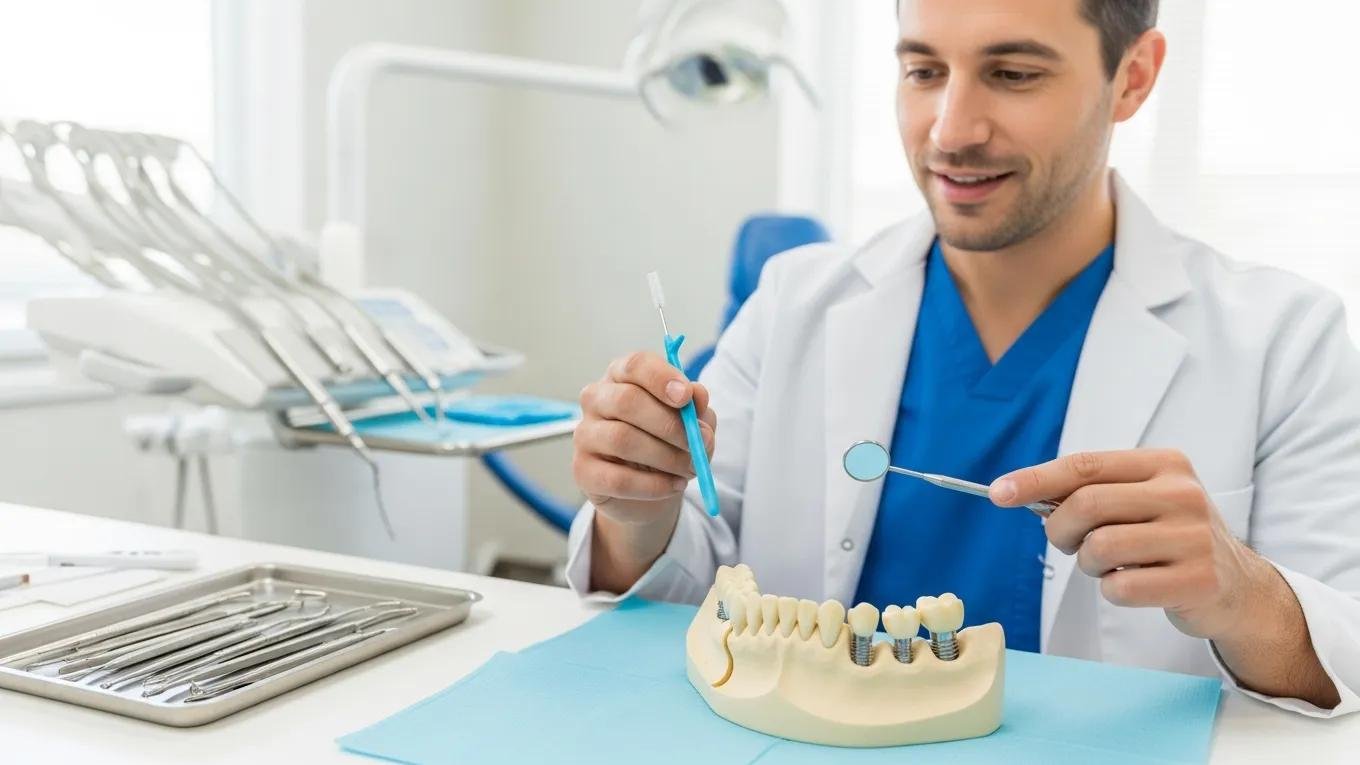
How to Care for Dental Implants Long-Term: Essential Cleaning Techniques and Aftercare Tips
Caring for dental implants is crucial for ensuring their longevity and maintaining oral health. Dental implants, which serve as artificial tooth roots, require diligent care to prevent complications such as peri-implantitis and biofilm accumulation. This comprehensive guide will provide you with essential techniques and tips for maintaining your dental implants effectively. You will learn about daily oral hygiene practices, the importance of professional cleanings, and how lifestyle factors can impact the health of your implants. By following these guidelines, you can significantly enhance the longevity of your dental implants and enjoy a healthy smile for years to come.
What Are the Best Daily Oral Hygiene Techniques for Dental Implants?
Maintaining optimal oral hygiene is vital for the health of dental implants. Effective daily care helps prevent plaque buildup and reduces the risk of peri-implant disease. The key to successful implant care lies in understanding the best practices for cleaning and the tools that can aid in this process. By incorporating these techniques into your daily routine, you can ensure that your implants remain in excellent condition.
How to Properly Clean Dental Implants to Prevent Biofilm Accumulation
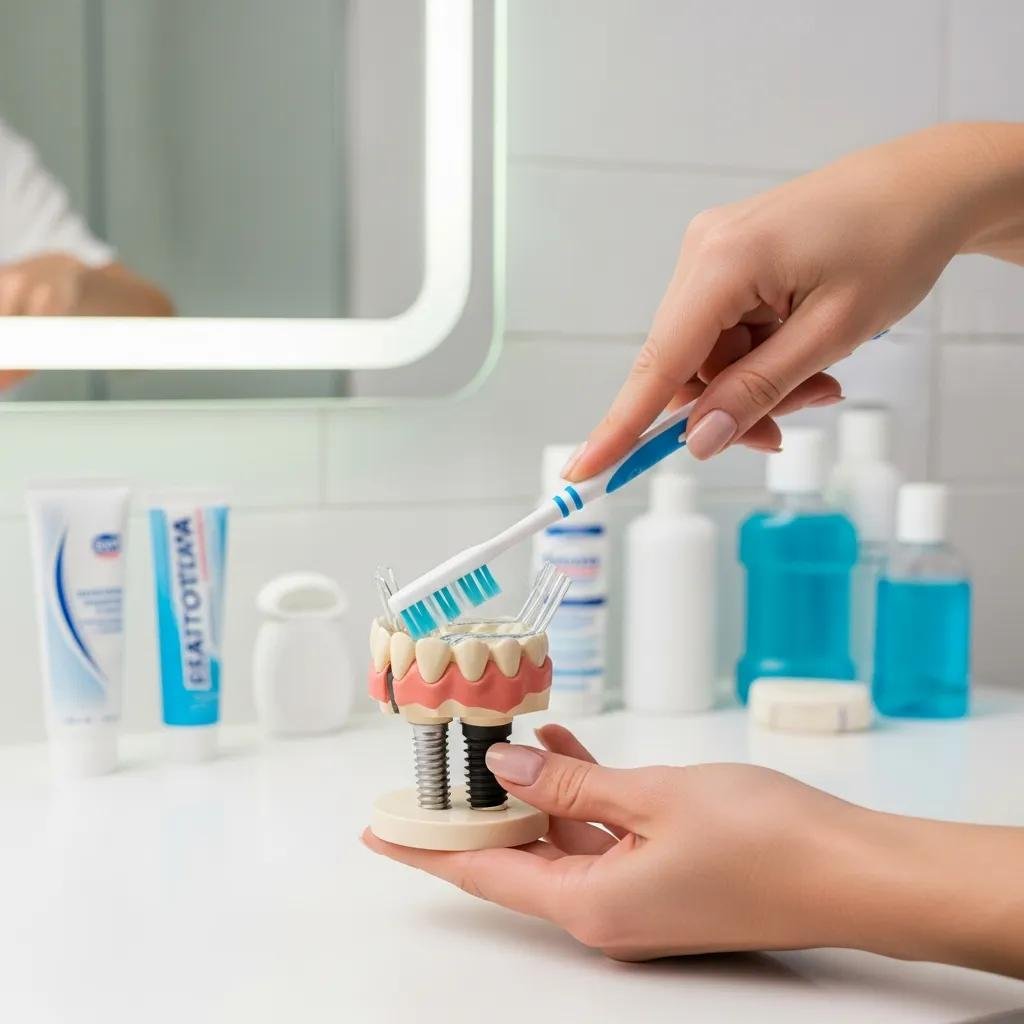
To prevent biofilm accumulation on dental implants, it is essential to adopt a thorough cleaning routine. Start by using a soft-bristled toothbrush designed for sensitive gums to gently brush around the implant area. It is recommended to brush at least twice a day, focusing on the gum line and the implant surface. Additionally, using an interdental brush can help reach areas that a regular toothbrush may miss. Regular dental check-ups are also crucial, as dental professionals can provide deep cleaning and assess the health of your implants.
Which Oral Hygiene Products Are Recommended for Implant Care?
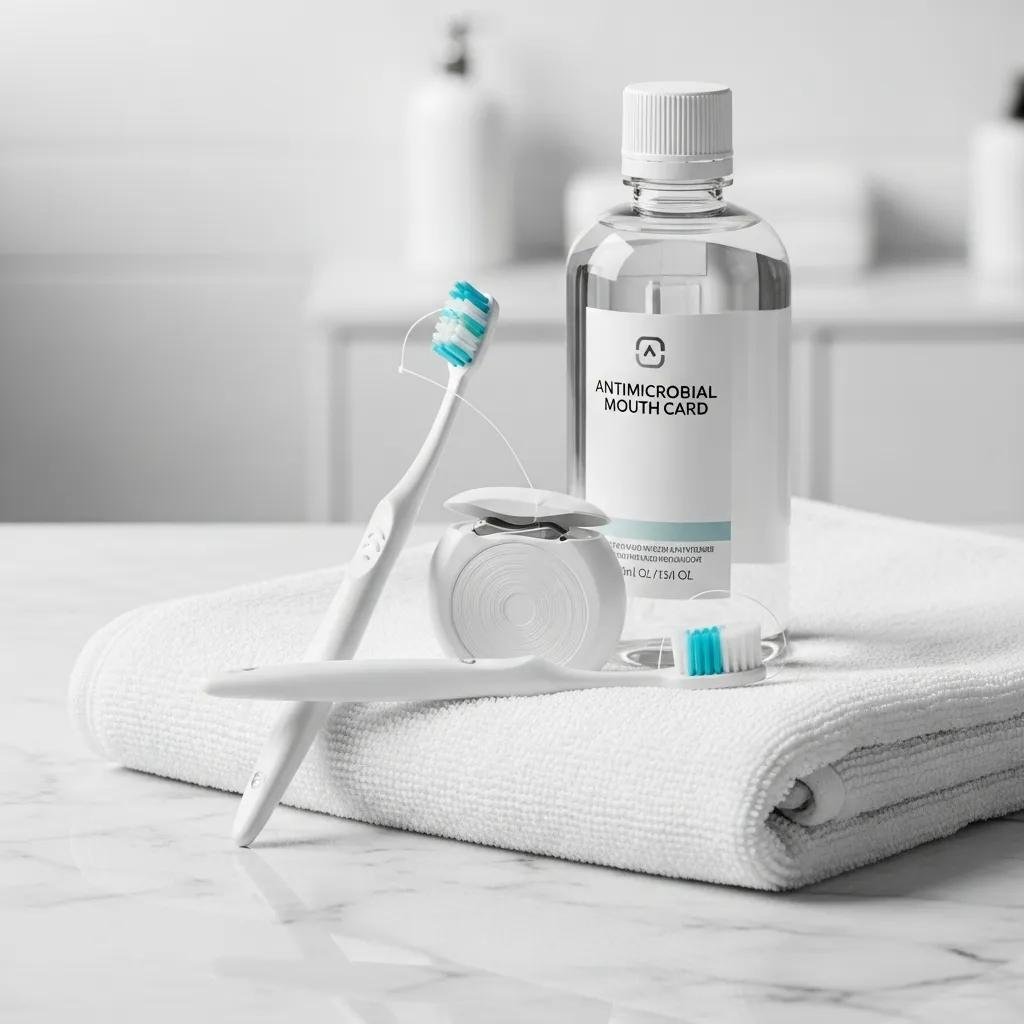
When caring for dental implants, selecting the right oral hygiene products is essential. Look for toothbrushes with soft bristles to avoid damaging the gum tissue around the implant. Floss specifically designed for implants, such as waxed dental floss or floss threaders, can help clean between the teeth and around the implant. Antimicrobial mouthwashes can also be beneficial, as they help reduce bacteria in the mouth and promote healing. Regular use of these products can significantly enhance the care of your dental implants.
How Can You Recognize and Prevent Peri-Implantitis Effectively?
Peri-implantitis is a significant concern for individuals with dental implants, as it can lead to implant failure if not addressed promptly. Understanding the signs and symptoms of this condition is crucial for early intervention. By recognizing the early indicators and implementing preventive measures, you can protect your implants and maintain your oral health.
What Are the Early Signs and Symptoms of Peri-Implant Disease?
The early signs of peri-implant disease often include redness, swelling, and bleeding around the implant site. Patients may also experience discomfort or pain when pressure is applied to the implant. If you notice any of these symptoms, it is essential to consult with a dental professional as soon as possible. Early detection and treatment can prevent the progression of peri-implantitis and preserve the integrity of your implants.
Which Preventive Measures Reduce the Risk of Implant Infection?
To reduce the risk of implant infection, it is vital to maintain excellent oral hygiene and attend regular dental check-ups. Additionally, avoiding tobacco use and managing systemic health conditions, such as diabetes, can significantly lower the risk of developing peri-implantitis. A balanced diet rich in vitamins and minerals also supports oral health and healing. By adopting these preventive measures, you can enhance the longevity of your dental implants.
Long-Term Dental Implant Care: Essential Maintenance Strategies
Regular professional cleanings and check-ups are essential for maintaining the health of dental implants. These visits allow dental professionals to monitor the condition of your implants and perform necessary maintenance. Understanding the recommended schedule for these appointments can help you stay on track with your implant care.
How Often Should You Visit a Dental Professional for Implant Maintenance?
It is generally recommended to visit a dental professional for implant maintenance every six months. However, individuals with a history of gum disease or other risk factors may need to schedule appointments more frequently. Your dentist can provide personalized recommendations based on your specific needs and the condition of your implants.
What Procedures Are Performed During Professional Implant Cleanings?
During professional implant cleanings, dental professionals typically perform a thorough examination of the implant and surrounding tissues. This may include scaling to remove plaque and tartar buildup, as well as polishing the implant surface. Diagnostic imaging may also be utilized to assess the health of the bone surrounding the implant. These procedures are crucial for ensuring the long-term success of your dental implants.
How Do Lifestyle Factors Affect the Longevity of Dental Implants?
Lifestyle factors play a significant role in the longevity of dental implants. Understanding how habits such as diet, smoking, and overall health can impact your implants is essential for maintaining their integrity. By making informed choices, you can enhance the success of your dental implants.
Which Habits Can Negatively Impact Implant Survival Rates?
Certain habits can negatively affect the survival rates of dental implants. Smoking, for instance, has been shown to impair healing and increase the risk of complications. Additionally, poor dietary choices, such as excessive sugar intake, can contribute to oral health issues that may compromise implant stability. It is crucial to be aware of these habits and make necessary adjustments to support your implant health.
How Does Nutrition and Smoking Influence Implant Health?
Nutrition plays a vital role in the healing process following implant placement. A diet rich in vitamins and minerals supports tissue healing and overall oral health. Conversely, smoking can hinder blood flow to the gums, delaying healing and increasing the risk of infection. Quitting smoking and adopting a balanced diet can significantly improve the health of your dental implants.
What Are the Best Care Practices for Implant-Supported Dentures?
Implant-supported dentures require specific care to ensure their longevity and functionality. Understanding the best practices for maintaining these prostheses is essential for optimal oral health. By following these guidelines, you can keep your implant-supported dentures in excellent condition.
How to Clean and Maintain Implant-Supported Prostheses Properly
Cleaning implant-supported prostheses involves a combination of brushing and rinsing. Use a soft-bristled toothbrush to clean the denture surface and the surrounding gums. Additionally, it is important to remove the prosthesis at night to allow the gums to rest. Rinsing with an antimicrobial mouthwash can help reduce bacteria and promote healing.
What Products and Tools Are Ideal for Denture Implant Care?
For effective denture implant care, consider using specialized cleaning products designed for implant-supported prostheses. These may include denture cleansers that are gentle yet effective in removing plaque and stains. Additionally, tools such as denture brushes and floss threaders can aid in maintaining cleanliness around the implants. Regular use of these products will help ensure the longevity of your implant-supported dentures.
Which Advanced Implant Maintenance Products and Tools Enhance Long-Term Care?
Advanced products and tools can significantly enhance the long-term care of dental implants. Understanding the benefits of these specialized items can help you make informed choices for your oral hygiene routine.
What Are the Benefits of Specialized Brushes and Floss for Implants?
Specialized brushes and floss designed for implants offer several advantages. These tools are specifically engineered to clean around implants without causing damage to the surrounding tissues. Using these products can help prevent plaque buildup and reduce the risk of peri-implant disease, ultimately supporting the longevity of your implants.
How Do Antimicrobial Rinses Support Implant Hygiene?
Antimicrobial rinses play a crucial role in maintaining implant hygiene. These rinses help reduce harmful bacteria in the mouth, promoting a healthier environment for your implants. Regular use of antimicrobial mouthwash can complement your daily cleaning routine and enhance the overall health of your oral cavity.
What Are Common Causes of Dental Implant Failure and How Can They Be Avoided?
Understanding the common causes of dental implant failure is essential for preventing complications. By being aware of these factors, you can take proactive steps to ensure the success of your implants.
How Does Peri-Implantitis Lead to Implant Complications?
Peri-implantitis is a leading cause of dental implant failure. This inflammatory condition affects the tissues surrounding the implant, leading to bone loss and potential implant loss. Early detection and treatment are crucial for preventing the progression of peri-implantitis and preserving the integrity of your implants.
What Role Does Implant Biofilm Play in Failure Prevention?
Implant biofilm, a layer of bacteria that can form on the surface of implants, plays a significant role in the health of dental implants. If not properly managed, biofilm can lead to infections and complications. Regular cleaning and the use of antimicrobial products can help control biofilm formation and support the long-term success of your implants.
Understanding the role of biofilm and the effectiveness of antimicrobial therapies is further supported by clinical research.
Managing Peri-Implant Diseases: Biofilm & Antimicrobial Therapy
Background and Objective:Periodontal and peri-implant diseases are of rising concern due to their increasing prevalence, potential complications and financial consequences. Etiologic factors primarily are putative microorganisms while therapy involves mechanical debridement of the dental plaque biofilm. This treatment is performed non-surgically or surgically. Due to the diversity of periodontal and periimplant diseases and conditions, practitioners seek adjuvants to improve therapeutic outcomes and limit the likelihood of residual or refractory disease. Antimicrobials may improve therapeutic success by altering the local pathogenic microflora and limiting the systemic spread of opportunistic infections.
Antimicrobial adjuncts in the management of periodontal and peri-implant diseases and conditions: a narrative review, I Kormas, 2021
How Can Patients Stay Informed About the Latest Dental Implant Care Advances?
Staying informed about the latest advances in dental implant care is essential for maintaining optimal oral health. By accessing reliable resources, patients can enhance their understanding of implant maintenance and care.
Where to Find Recent Clinical Studies and Expert Recommendations
Patients can find recent clinical studies and expert recommendations through reputable dental organizations and journals. Many dental schools and professional associations publish research findings that can provide valuable insights into the latest advancements in implant care. Engaging with these resources can help you stay updated on best practices for maintaining your dental implants.
How to Monitor Implant Care Updates and Knowledge Panel Changes
To monitor updates in implant care, consider subscribing to dental health newsletters or following professional organizations on social media. Engaging with dental professionals and participating in community forums can also provide valuable information about the latest trends and recommendations in implant care. Staying informed will empower you to make the best choices for your dental health.