
Comprehensive Guide to Single Tooth Implant Procedure and Care: Step-by-Step Dental Implant Process and Aftercare
The single tooth implant procedure represents a state-of-the-art, evidence-based solution for individuals experiencing tooth loss, offering a permanent and highly functional replacement that closely replicates the natural tooth anatomy. This comprehensive guide provides an in-depth exploration of the single tooth implant process, detailing each procedural step, critical aftercare protocols, and the clinical advantages of implants compared to alternative tooth replacement methods. Recognizing that many patients experience apprehension regarding the procedure and recovery, this article aims to enhance patient education, reduce anxiety, and facilitate optimal outcomes through informed decision-making. By covering the step-by-step dental implant process, essential aftercare practices, and the scientifically supported healing timeline, readers will be thoroughly prepared for their journey toward restored oral health and function.
Single Tooth Implant Procedure and Care Guide
A single tooth implant is a sophisticated dental restoration involving the surgical placement of a biocompatible titanium post into the jawbone, which functions as an artificial tooth root. This procedure is critical not only for restoring masticatory function and aesthetics but also for preserving alveolar bone integrity and preventing the cascade of complications associated with tooth loss, such as bone resorption and adjacent tooth shifting. Meticulous care and maintenance of the implant are paramount to ensure its long-term success and biomechanical stability. A comprehensive understanding of the procedural nuances and rigorous aftercare protocols significantly enhances implant integration and patient satisfaction.
Step-by-Step Dental Implant Process:
The dental implant process encompasses multiple meticulously planned stages, each grounded in current best practices to maximize osseointegration and functional restoration.
Initial Consultation and Comprehensive Assessment:
The initial consultation involves a thorough evaluation of the patient’s oral and systemic health, including detailed imaging such as cone-beam computed tomography (CBCT) scans to assess bone volume and quality. The clinician discusses the treatment plan, potential risks, benefits, and alternatives, ensuring informed consent and personalized care tailored to the patient’s unique anatomical and health profile.
Preliminary Treatments and Site Preparation (if necessary):
When indicated, preliminary interventions such as periodontal therapy, extraction of non-restorable teeth, or advanced bone augmentation procedures (e.g., bone grafting, sinus lift) are performed to optimize the implant site. These preparatory steps are essential to establish a stable and healthy foundation for implant placement, particularly in cases of compromised bone density or volume.
Surgical Placement of the Implant:
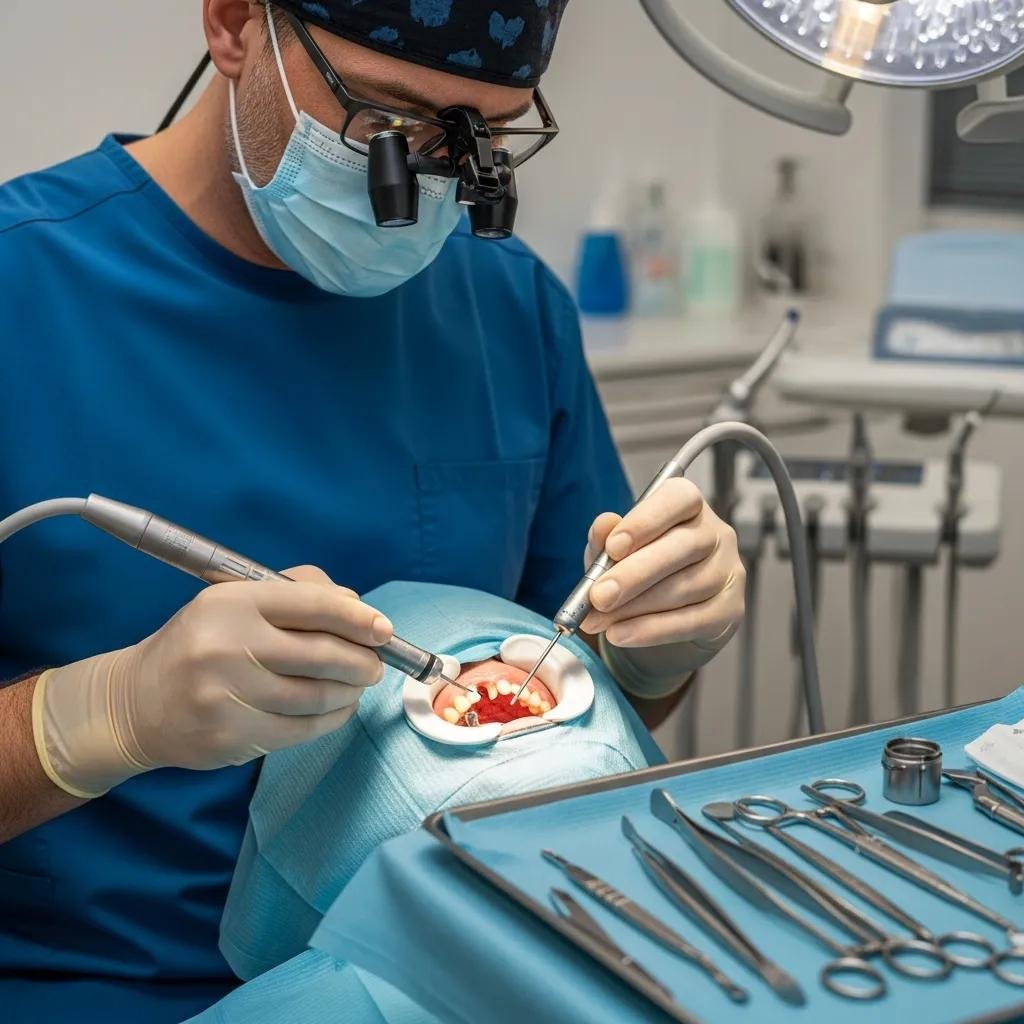
The surgical phase entails the precise insertion of the titanium implant fixture into the jawbone under sterile conditions, typically performed under local anesthesia with or without sedation. Advanced surgical techniques, including flapless or guided implant surgery using digital planning and surgical guides, may be employed to enhance accuracy and minimize tissue trauma. The implant serves as a durable and osseointegrated anchor for the prosthetic restoration.
Healing and Osseointegration:
Following implant placement, a critical healing period ensues during which osseointegration occurs—the biological process where the surrounding bone remodels and firmly integrates with the implant surface. This phase, lasting from several weeks to months depending on patient-specific factors, is fundamental to achieving long-term implant stability and function.
Restorative Phase and Prosthetic Rehabilitation:
Upon confirmation of successful osseointegration, the restorative phase begins. This involves attaching a custom-fabricated abutment to the implant, which serves as the connector for the final prosthetic crown. Precision impressions or digital scans are taken to fabricate a crown that matches the patient’s natural dentition in color, shape, and occlusion, ensuring optimal aesthetics and function.
Ongoing Maintenance and Long-Term Care:
Post-restoration, diligent maintenance is essential to preserve implant health. This includes regular professional dental evaluations, radiographic monitoring, and patient adherence to rigorous oral hygiene practices to prevent peri-implant diseases such as mucositis and peri-implantitis, which can compromise implant longevity.
Essential Aftercare Practices:

Effective aftercare is a cornerstone of successful single tooth implant therapy, directly influencing osseointegration and long-term implant survival.
Meticulous Oral Hygiene:
Patients must maintain exemplary oral hygiene, employing non-abrasive toothpaste and a soft-bristled toothbrush to gently clean the implant site and adjacent tissues. Adjunctive tools such as interdental brushes, water flossers, and antimicrobial mouth rinses may be recommended to reduce biofilm accumulation and inflammation.
Adherence to Dietary Recommendations:
During the initial healing phase, patients should consume a soft diet, avoiding hard, sticky, or chewy foods that could exert undue mechanical stress on the implant. Gradual reintroduction of regular foods is advised as healing progresses, guided by clinical evaluation.
Scheduled Follow-Up and Monitoring:
Regular follow-up appointments are critical for clinical and radiographic assessment of implant integration, soft tissue health, and prosthetic function. Early identification and management of complications enhance prognosis.
Recognition and Prompt Reporting of Complications:
Patients should be vigilant for signs of complications, including persistent pain, swelling, bleeding, or signs of infection. Immediate communication with the dental provider facilitates timely intervention and mitigates adverse outcomes.
Lifestyle Modifications to Support Healing:
Modifiable lifestyle factors such as smoking cessation and moderation of alcohol intake are strongly advised, as these behaviors negatively impact vascularization, immune response, and bone healing, thereby jeopardizing implant success.
What Is a Single Tooth Implant and How Does It Replace Missing Teeth?
A single tooth implant is a highly advanced dental prosthetic designed to replace a missing tooth by replicating the natural tooth’s root and crown structure. It comprises three integral components: a titanium implant fixture surgically embedded into the jawbone, an abutment that connects the implant to the prosthetic crown, and the crown itself, which is custom-fabricated from durable materials such as porcelain or zirconia to match the patient’s natural dentition. This approach not only restores masticatory function and aesthetics but also preserves alveolar bone density and prevents the detrimental effects of tooth loss on oral health.
Step-by-Step Single Tooth Implant Procedure and Aftercare
The single tooth implant procedure involves a series of meticulously coordinated steps, each supported by current clinical protocols to ensure optimal outcomes and patient satisfaction.
Benefits of Single Tooth Implants Compared to Other Tooth Replacement Options
Single tooth implants offer numerous clinically validated advantages over traditional tooth replacement methods such as fixed bridges and removable dentures.
- Superior Natural Appearance and Functionality: Implants provide a seamless integration with the natural dentition, offering superior aesthetics and restoring full masticatory efficiency without compromising adjacent teeth.
- Preservation of Jawbone and Oral Structures: By stimulating the alveolar bone through functional load transfer, implants prevent bone resorption and maintain facial structure integrity, which is not achievable with conventional prosthetics.
- Exceptional Longevity and Cost-Effectiveness: With appropriate care, implants demonstrate survival rates exceeding 95% over 10 years, representing a durable and economically advantageous solution compared to repeated maintenance of bridges or dentures.
What Are the Detailed Steps in the Single Tooth Implant Procedure?
A detailed understanding of each procedural step empowers patients and enhances compliance throughout the treatment journey.
Pre-Procedure Assessment and Advanced Planning for Implant Placement
Comprehensive preoperative assessment includes clinical examination, advanced imaging modalities such as CBCT, and digital treatment planning software to simulate implant positioning, ensuring precision and minimizing surgical risks.
Surgical Implant Placement: Techniques and Minimally Invasive Approaches
Implant placement techniques have evolved to include minimally invasive protocols such as flapless surgery and computer-guided implantology, which reduce operative time, postoperative discomfort, and accelerate healing, while maintaining high success rates.
How Is the Implant Crown Placed After Osseointegration?
Following successful osseointegration, the prosthetic phase involves the precise attachment of the implant crown to restore function and aesthetics.
Types of Implant Abutments and Crown Materials Used
Selection of abutment types (e.g., titanium, zirconia, custom-milled) and crown materials (porcelain-fused-to-metal, all-ceramic, zirconia) is based on biomechanical requirements, aesthetic demands, and patient-specific factors, ensuring optimal integration and durability.
Stepwise Process of Attaching the Implant Crown
The restorative process includes securing the abutment to the implant fixture, followed by the placement of a precisely fabricated crown, which is adjusted for occlusion and aesthetics to achieve a natural and functional dental restoration.
What Is the Healing and Recovery Timeline After a Single Tooth Implant?
The healing and recovery timeline is a critical component of implant therapy, governed by biological processes and patient-specific variables.
Osseointegration Period: What to Expect and Duration
The osseointegration phase typically spans 8 to 12 weeks, during which the implant achieves stable anchorage through bone remodeling. Patient adherence to postoperative instructions during this period is vital to prevent micromovements that could compromise integration.
Managing Discomfort and Monitoring Healing Progress
Postoperative discomfort is generally mild and manageable with prescribed analgesics and anti-inflammatory medications. Regular clinical evaluations monitor soft tissue healing and implant stability, facilitating timely interventions if necessary.
How Should Patients Care for Their Dental Implant After Placement?
Post-placement care is essential to maintain implant health and prevent complications.
Essential Aftercare Instructions for Implant Maintenance
Patients should maintain rigorous oral hygiene, attend all scheduled follow-ups, avoid deleterious habits, and adhere to dietary recommendations to support optimal healing and implant longevity.
Preventing Implant Failure: Risks and Complications to Watch For
Awareness of potential complications such as peri-implant mucositis, peri-implantitis, mechanical failures, and systemic factors affecting healing enables proactive management. Early detection through regular dental visits and patient vigilance is key to preventing implant failure.
What Are the Cost and Insurance Considerations for Single Tooth Implants?
The financial investment for single tooth implants varies based on clinical complexity, materials, and geographic location.
Factors Influencing the Cost of Implant Procedures
Cost determinants include the necessity for adjunctive procedures (e.g., bone grafting), implant system selection, prosthetic components, and clinician expertise. Transparent consultation regarding these factors aids in financial planning.
Insurance Coverage and Financing Options for Dental Implants
While many dental insurance plans provide partial coverage for implant-related procedures, coverage varies widely. Patients are encouraged to consult with their insurance providers and explore financing options such as payment plans or medical credit services to facilitate access to care.
What Are Common Patient Questions About Single Tooth Implants?
Patients frequently inquire about procedural timelines, success rates, and clinical advancements.
How Long Does the Entire Implant Procedure Take?
The complete treatment timeline, from initial consultation through final crown placement, typically ranges from three to six months, primarily influenced by the osseointegration period and any necessary preparatory treatments.
What Are the Success Rates and Latest Clinical Insights?
Single tooth implants demonstrate success rates exceeding 95% in long-term studies. Ongoing research continues to refine implant surface technologies, biomaterials, and surgical techniques, further enhancing outcomes and patient satisfaction.
How Does Anaheim Implants Dental Group Ensure Personalized Care and Advanced Implant Technology?
Anaheim Implants & Dental Group is committed to delivering individualized treatment plans grounded in the latest scientific evidence and utilizing cutting-edge implant technologies to optimize patient outcomes.
Expertise in Implant Restoration and Patient-Centered Approach
The clinical team comprises experienced implantologists and prosthodontists who prioritize patient-specific needs, employing a multidisciplinary approach to tailor treatments that maximize functional and aesthetic results.
Use of Latest Implant Materials and Minimally Invasive Techniques
By integrating state-of-the-art implant materials, digital planning tools, and minimally invasive surgical protocols, Anaheim Implants & Dental Group enhances procedural precision, reduces patient morbidity, and accelerates recovery, ensuring a superior patient experience throughout the implant journey.