
Navigating Dental Implant Failure: Expert Recovery Solutions
By Thu Nguyen, Anaheim Implants & Dental Group
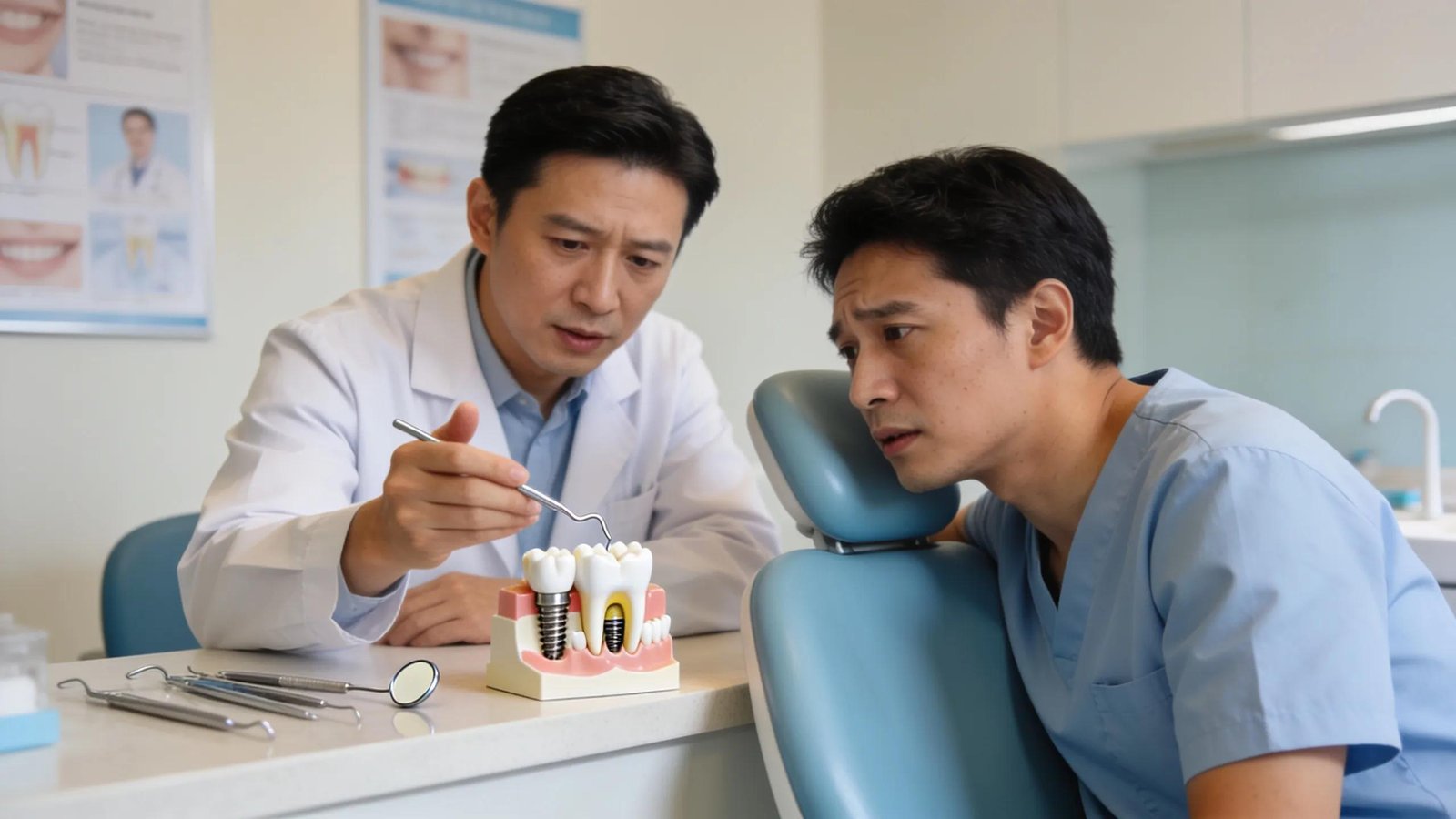
Experiencing a failed dental implant can be a daunting prospect for many individuals seeking long-term solutions for tooth loss. This guide sheds light on the various aspects of dental implant failures, outlining the common causes, safe removal methods, available replacement options, and recovery processes. Patients often feel uncertain about their next steps following an implant failure, making it essential to understand both the challenges and solutions available. In this comprehensive exploration, we will cover key topics, including the common causes of implant failure, how to recognize the signs early, and what to consider for replacement. Throughout this article, readers will gain valuable insights that can help them navigate their journey post-implant failure effectively.
What Are the Common Causes of Dental Implant Failure?
Dental implant failures can occur for several reasons, each impacting the integration of the implant into the jawbone. Understanding these causes is crucial for prevention and timely intervention. Common causes include infections, insufficient bone density, and improper placement of the implant. These factors play significant roles in determining whether an implant will successfully integrate or fail, leading to discomfort and additional dental procedures.
How Do Biological Factors Like Infection Lead to Implant Failure?
Biological factors, especially infections like peri-implantitis, are critical threats to the success of dental implants. The presence of bacteria introduces significant challenges to healing, often leading to inflammation and affecting osseointegration. When bacteria form biofilms around the implant, they can significantly hamper the healing process and cause the implant to become loose or fail entirely. Furthermore, the importance of thorough pre-surgical sterilization cannot be overstated, as it reduces the risk of infections that lead to implant complications.
How Is a Failed Dental Implant Removed Safely?
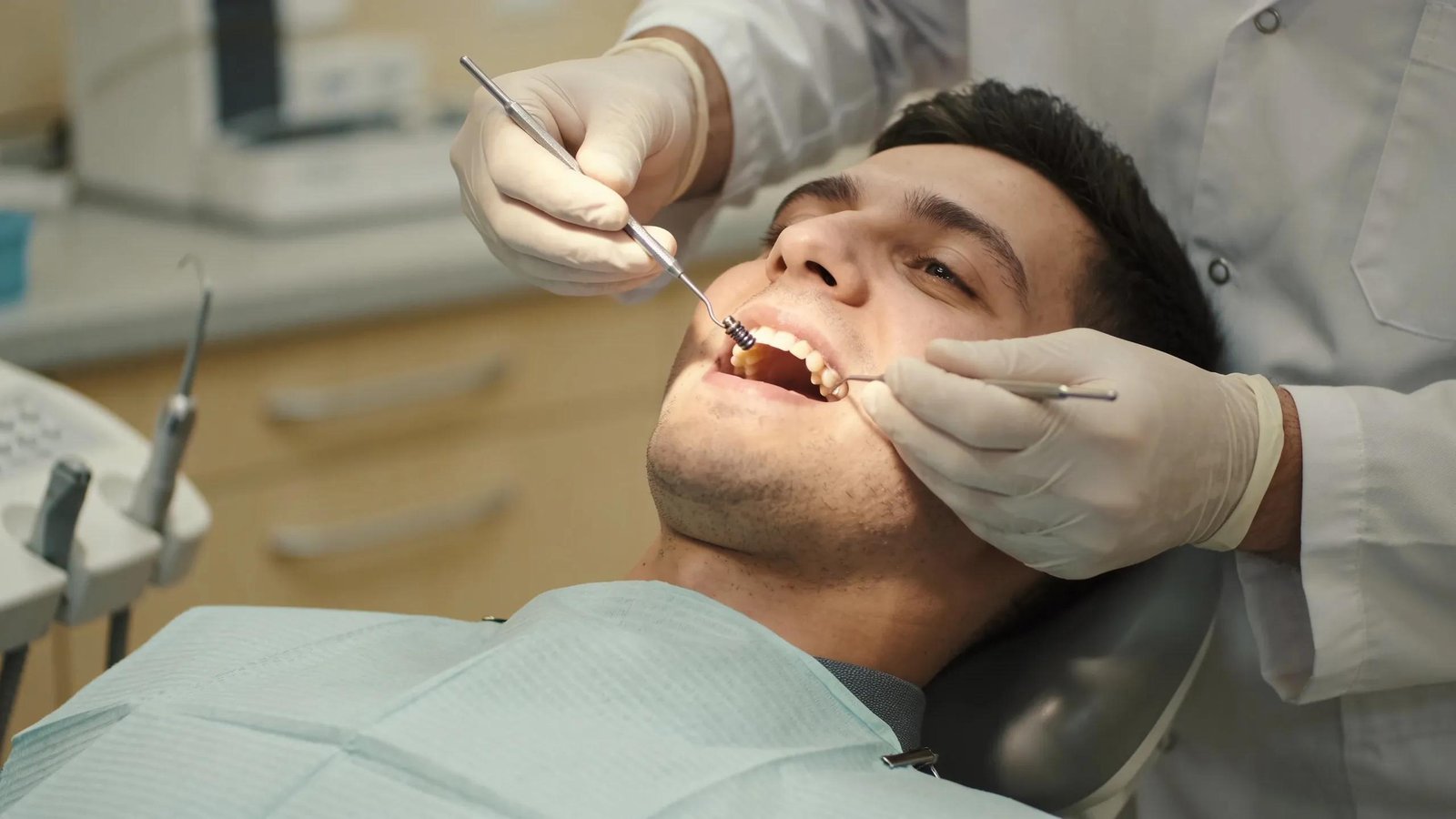
The process of removing a failed dental implant requires careful consideration and a professional approach to ensure surrounding tissues are minimally affected. Safe removal involves various surgical techniques that prioritize the patient’s health and comfort. Understanding the associated risks and recovery steps can also prepare patients for the procedure.
Dental Implant Explantation and Management Strategies
Dental implants have achieved widespread success; however, prolonged functional duration can occasionally result in implant failure. This article offers a comprehensive review of dental implant explantation, outlining treatment protocols for failed implants and subsequent bone regeneration techniques.
Treatment strategies for dental implant removal: a literature review, C Masaki, 2024
What Are the Surgical Procedures for Implant Removal?
During an implant removal procedure, dentists typically employ a series of systematic steps to ensure safety and efficacy. Initially, a thorough consultation is conducted, which may involve imaging techniques to assess the situation fully. Postoperative care is equally important, enabling the body to heal optimally while minimizing discomfort.
Optimal Explantation Methods for Failed Dental Implants
Dental implants are the primary prosthetic solution for edentulism, yet their increasing utilization is accompanied by a rise in associated complications and failures. Consequently, the development of efficacious, conservative, and economically viable explantation techniques is crucial to facilitate subsequent successful implant placement. Removal of osseointegrated dental implants: a systematic review of explantation techniques, 2020
What Are the Risks and Recovery Steps After Implant Removal?
Like any surgical procedure, implant removal carries specific risks, such as infection, inflammation, or complications related to surrounding tissue. Recovery duration varies, but most patients can expect some swelling and discomfort for a few days. Following the removal, it’s vital to adhere to postoperative care guidelines, including follow-up visits, to ensure that healing progresses without complications.
Bone Grafting and Post-Explantation Management of Dental Implants
Effective management of sequelae and strategic bone grafting are critical following dental implant explantation, particularly in cases involving moderate to advanced bone defects. Concurrent bone grafting during implant removal has demonstrated favorable outcomes in these specific clinical scenarios.
Management and sequelae of dental implant removal, A Monje, 2000
What Are My Replacement Options After Implant Failure?
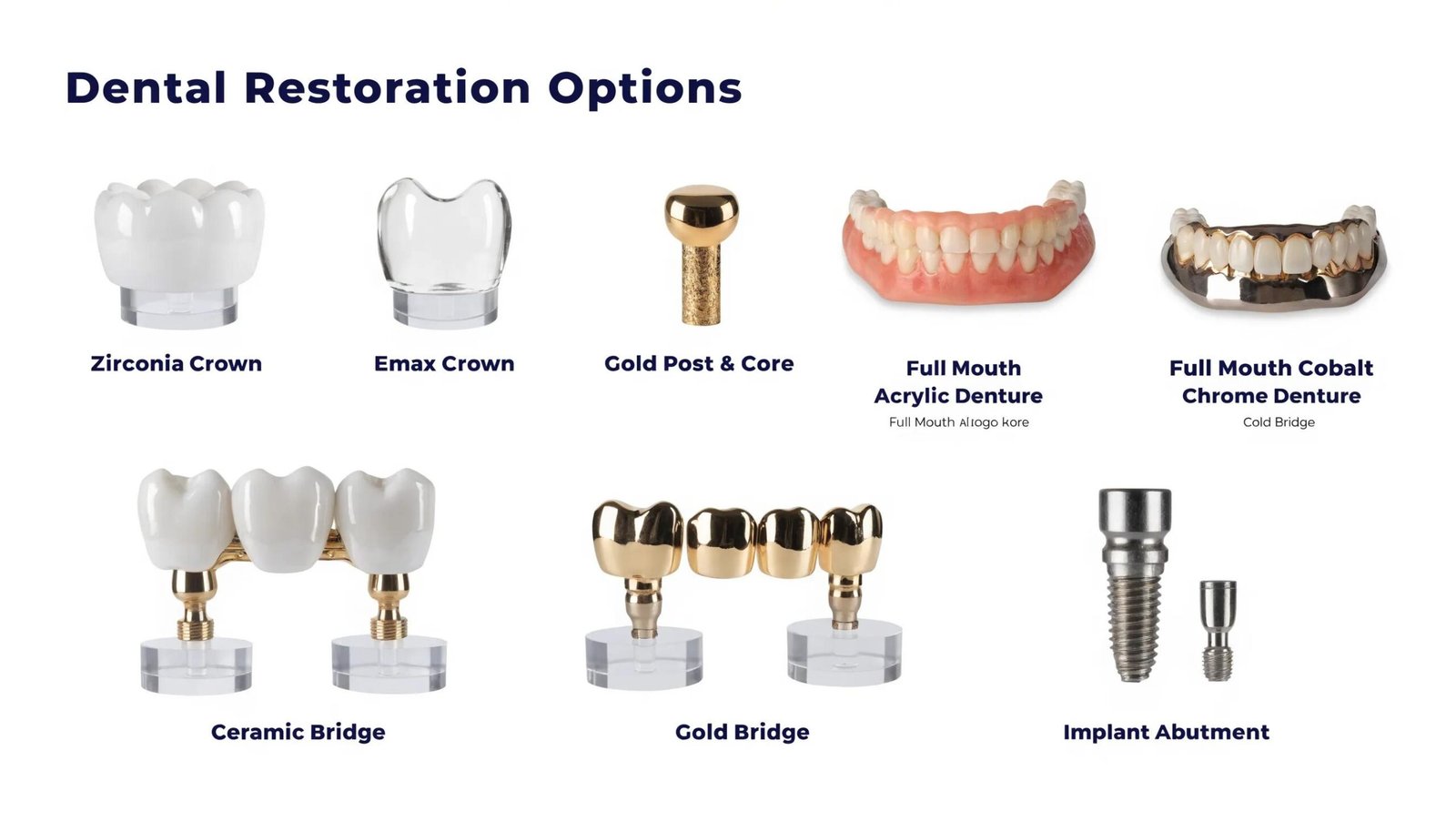
After a dental implant failure, several replacement options may be considered, each with its unique benefits and suitability depending on individual circumstances. Patients should feel informed about these options, as they can significantly impact their overall oral health and satisfaction.
How Does Dental Implant Revision Surgery Work?
Dental implant revision surgery is a detailed process that often involves a reassessment of the initial condition. This procedure typically includes consultation and surgical steps to enhance the chances of successful osseointegration upon re-implantation. Recovery procedures following surgery also play a crucial role in the ultimate outcome, ensuring that patients can return to their normal activities soon after.
Which Alternative Prosthetics Are Available When Implants Fail?
Should a patient choose not to proceed with another dental implant, several alternative prosthetics are available. Options include traditional bridges and dentures, which can provide functional and aesthetic benefits. Each alternative comes with considerations regarding longevity, comfort, and patient preferences, making individualized consultations essential for optimal outcomes.
What Is the Cost of Dental Implant Replacement?
Understanding the financial aspects of dental implant replacement is crucial for budgeting purposes. The costs can vary significantly based on the chosen procedure, materials used, and the clinician’s expertise. Being informed about the average costs associated with these replacements can help patients navigate their financial planning effectively.
Which Factors Influence Dental Implant Replacement Pricing?
Several factors contribute to the pricing of dental implant replacement procedures. Important considerations include the location of the dental practice, the experience level of the clinician, and the specific materials required for the procedure. Additionally, the necessity for any additional treatments can also affect overall costs, emphasizing the need for a detailed financial discussion with the dental provider.
How Can Patients Plan Financially for Implant Revision Procedures?
Strategic financial planning becomes pivotal for patients considering implant revision procedures. By understanding potential costs, patients can explore various financing options as insurance coverage can significantly affect out-of-pocket expenses. Gathering information on cost-saving strategies can empower patients to make informed decisions about their dental care.
How to Recognize the Signs and Symptoms of Implant Failure Early?
Timely recognition of the signs and symptoms of dental implant failure can greatly influence treatment outcomes. Patients should be aware of specific indicators that may suggest an implant is failing, allowing for prompt professional intervention.
What Are the Common Symptoms Indicating Implant Failure?
Patients experiencing failed implants may notice several symptoms, including persistent pain, unusual swelling, mobility of the implant, or signs of infection such as redness or pus. Recognizing these symptoms early can facilitate prompt actions and minimize further complications.
When Should You Consult a Specialist Like Dr. Thu Nguyen?
Understanding when to seek the expertise of a specialist, such as Dr. Thu Nguyen, is crucial in managing dental implant failures. Patients should consider consulting a professional when experiencing discomfort, unusual changes in their oral health, or any indicators of potential implant failure could become serious if not addressed promptly.
What Does Recovery and Aftercare Involve Following Implant Replacement?
Following the procedure for implant replacement, a structured recovery and aftercare plan is essential for successful healing. Patients should understand the typical healing phases and necessary aftercare practices to facilitate optimal recovery.
What Are the Typical Healing Phases After Implant Revision Surgery?
Healing typically progresses through several phases, beginning with initial soreness and swelling, which should gradually subside over time. Patients can expect a healing timeline of weeks to months, depending on the individual’s health status and adherence to aftercare recommendations.
Which Aftercare Practices Support Successful Implant Integration?
Effective aftercare practices significantly enhance the success of implant integration following replacement. Good oral hygiene, dietary considerations, and lifestyle changes such as avoiding smoking or excessive alcohol consumption can foster a conducive healing environment.
Who Is Dr Thu Nguyen and How Does Anaheim Implants Approach Implant Failures?
Dr. Thu Nguyen brings a wealth of experience to the field of dental implants, specializing in effectively managing cases of implant failures. Her approach combines medical expertise with an understanding of individualized patient care.
What Expertise Does Dr Thu Nguyen Bring to Implant Failure Treatments?
Dr. Nguyen’s qualifications and extensive clinical experience empower her to address dental implant failures with precision. Her focus on patient-centered care ensures that each treatment plan is tailored to the specific needs of the individual.
How Does Anaheim Implants Customize Treatment Plans for Failed Implants?
At Anaheim Implants, tailored treatment plans are crafted based on thorough assessments and patient discussions. This customization ensures that each patient’s unique circumstances are addressed effectively, fostering better outcomes in managing dental implant failures.
What Are Frequently Asked Questions About Implant Failure and Replacement?
Many patients have common queries regarding implant failure and the subsequent procedures. Addressing these questions can help demystify the processes involved and prepare individuals for the journey ahead.
How Long Does It Take to Recover From Implant Removal and Replacement?
Recovery times can vary, with patients generally experiencing noticeable improvements within a few weeks. Complete recovery may take several months, depending on individual health factors and adherence to care guidelines, highlighting the importance of ongoing communication with dental professionals.
Are There Latest Advances Improving Replacement Success Rates?
Recent advancements indental implant technology are continuously improving success rates. Innovations in materials, techniques, and best practices enhance the potential outcomes for patients facing implant replacements, offering new hope and possibilities for restorative dental care.