
Full-Mouth Reconstruction by a Prosthodontist
By Thu Nguyen, Anaheim Implants & Dental Group
Full-mouth reconstruction is an extensive dental procedure that focuses on restoring the functionality and aesthetics of a patient’s mouth. This intricate process typically involves multiple treatments, including dental implants, crown placements, and possibly orthodontic work. Those seeking full-mouth reconstruction often face issues such as severe tooth decay, jaw misalignment, or the loss of multiple teeth. The result is not only a renewed smile but also improved oral health functionality. In this article, we will delve into the procedures involved in full-mouth reconstruction, its many benefits, and essential considerations for patients. We’ll also discuss why choosing a qualified prosthodontist, like Dr. Thu Nguyen, can lead to the best outcomes.
Full mouth rehabilitation often requires a comprehensive and coordinated approach to achieve the best possible long-term results.
A Multidisciplinary Approach to Full Mouth Rehabilitation
ABSTRACT: Successful full mouth rehabilitation necessitates a multidisciplinary approach for long-term efficacy. This case report aims to provide insight into the application of various treatment modalities to achieve a balanced, efficient, and biomechanically sound prosthodontic outcome with acceptable aesthetic results. A multidisciplinary approach to full mouth rehabilitation and solving the dilemma of wriggling dentures-a case report, 2014
Procedures Involved
The full-mouth reconstruction process comprises several stages, often tailored to the unique needs of the patient. A comprehensive initial consultation is crucial, as it allows the prosthodontist to assess the patient’s oral health and develop an individualized treatment plan. Following this assessment, the surgical placement of dental implants may be performed. This procedure often involves the placement of titanium implants into the jawbone to act as artificial roots for crown placements. Post-surgery, consistent follow-up care ensures that the treatment progresses smoothly, with regular check-ups to monitor healing and functionality.
Initial Consultation Procedure
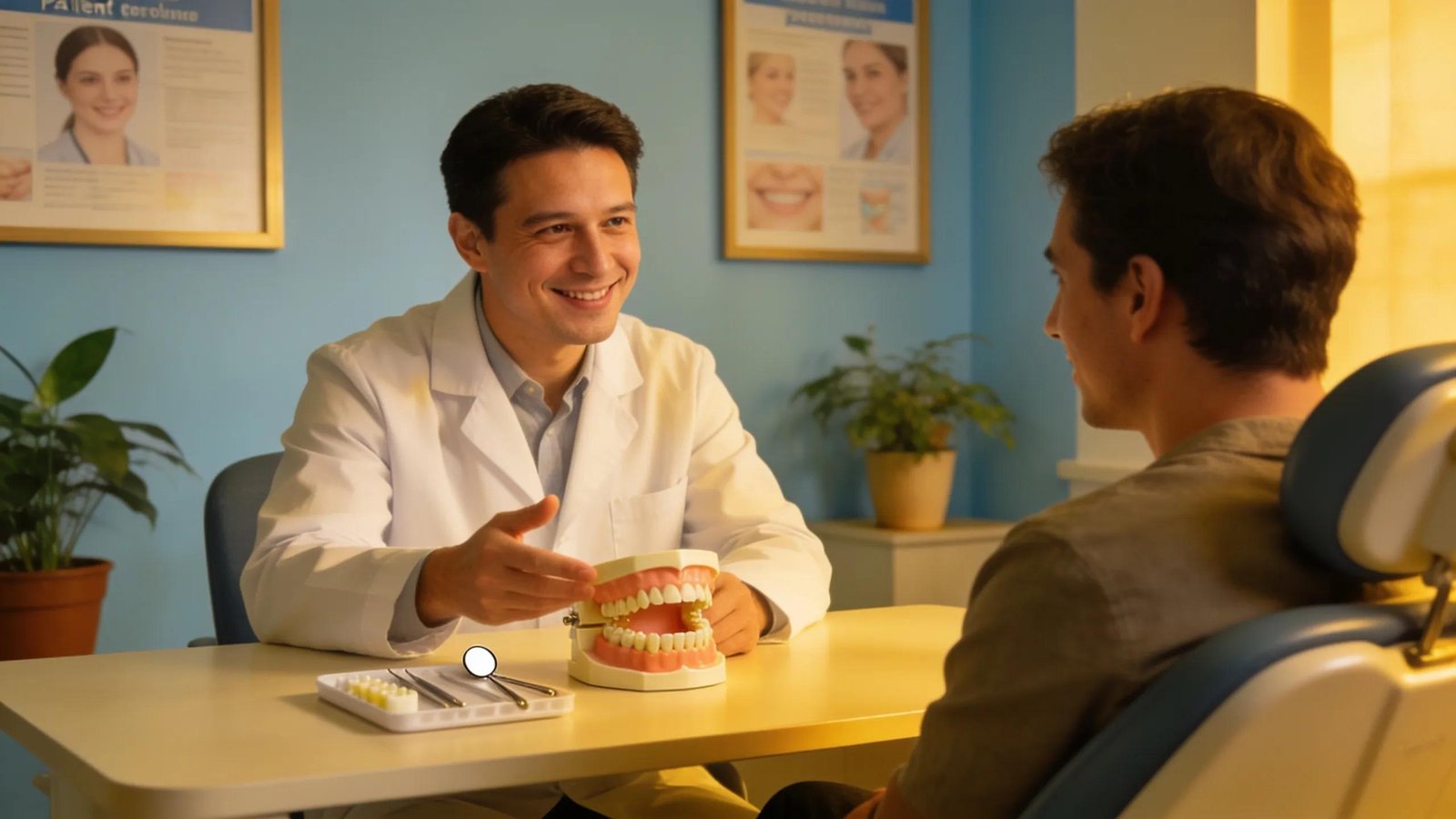
During the initial consultation, patients can expect a thorough examination and the formulation of a comprehensive treatment strategy tailored to their specific needs and conditions.
Surgical Placement of Implants
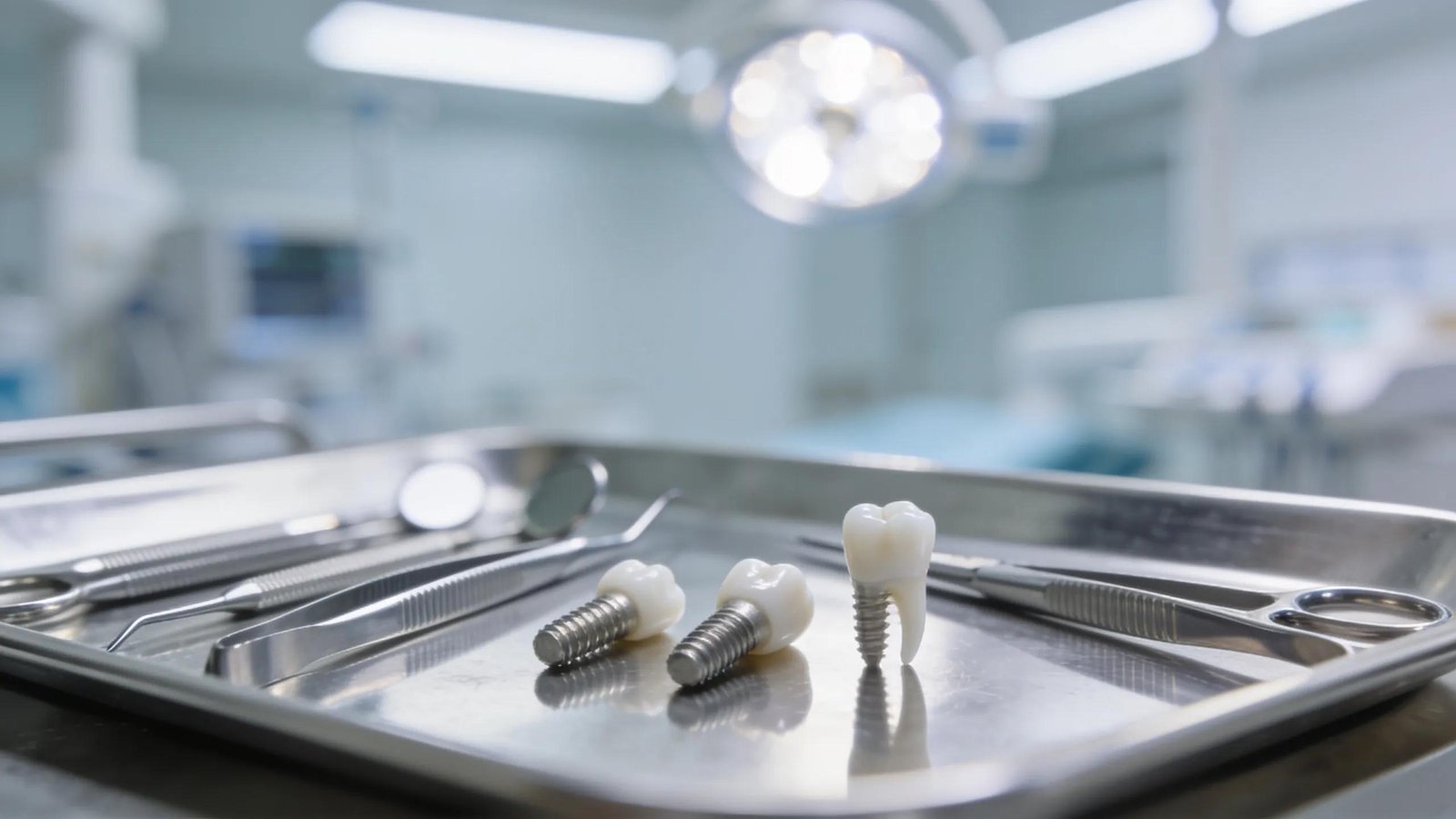
The surgical placement of implants involves inserting titanium posts into the jawbone, serving as the foundation for replacement teeth and restoring patients’ ability to chew and speak properly.
Follow-Up Care Requirements
After surgery, follow-up care is vital to track the healing process and the integration of implants. Patients are advised on oral hygiene practices and scheduled for check-ups to ensure successful outcomes.
Key Procedures in Full-Mouth Reconstruction
Full-mouth reconstruction offers numerous advantages, significantly improving both the aesthetics and functionality of a patient’s smile. Here are some primary benefits:
- Improved Aesthetics: A full-mouth reconstruction restores a natural-looking smile, enhancing facial appearance and boosting self-esteem.
- Bone Preservation: The placement of dental implants stimulates the jawbone, helping to maintain its density and contour.
- Long-term Solution: Unlike traditional dentures, which may require frequent replacements, dental implants can last many years with proper care, making them a durable solution.
These benefits illustrate why many patients are choosing full-mouth reconstruction to address their dental health issues.
This table highlights the substantial advantages associated with opting for full-mouth reconstruction, providing insight into its benefits.
Patient Considerations
Approaching full-mouth reconstruction requires careful patient consideration. Prospective patients should consider the following aspects:
- Oral Hygiene Importance: Maintaining excellent oral hygiene is crucial both before and after the procedure to ensure the best outcomes.
- Dietary Adjustments Post-Surgery: Patients may need to be mindful of their diet in the weeks following surgery to ensure proper healing and implant integration.
- Lifestyle Modifications: Following treatment, patients may need to adopt certain lifestyle changes to maximize their oral health.
These considerations are essential for ensuring a successful experience during and after reconstruction.
In navigating these elements, it’s vital to have expert guidance, such as that provided by Dr. Thu Nguyen, who specializes in comprehensive restorative dentistry. This expertise can help make informed decisions about treatment options.
What Is Full-Mouth Reconstruction and Who Is an Oral Rehabilitation Specialist?
Full-mouth reconstruction is a complex procedure designed to address multiple dental concerns, restoring the full function and aesthetics of a patient’s mouth. An oral rehabilitation specialist, such as a prosthodontist, possesses the advanced training and skills required to perform these intricate restorations. Using a combination of dental implants, crowns, and other restorative techniques, they create a cohesive treatment plan tailored to each patient’s specific needs.
Why choose a prosthodontist like Dr. Thu Nguyen for complex dental restorations?
Choosing a specialist like Dr. Thu Nguyen for full-mouth reconstruction comes with distinct advantages. Her specialized training in prosthodontics equips him with the knowledge needed to handle the nuances of complex dental restorations. Dr. Nguyen adopts a patient-centric approach, ensuring that each plan is tailored to the individual. Additionally, her utilization of advanced technology assists in delivering precise treatments, enhancing the overall experience for the patient.
Which Types of Prosthodontic Treatments Are Available for Full Oral Rehabilitation?
Prosthodontic treatments for full oral rehabilitation encompass various options tailored to different patient needs. These may include:
- All-on-4 Implants: This technique employs four strategic implant placements to support an entire arch of teeth, providing a stable, low-maintenance solution.
- Multiple Tooth Implants: When numerous teeth are missing, multiple implants can be strategically placed to support individual crowns or bridges.
- Mini Implants: A less invasive option, mini implants may serve smaller spaces where traditional implants are not viable.
Each of these options offers unique benefits and can cater to a patient’s specific requirements.
How do dental implants and implant-supported dentures restore oral function?
Dental implants play a crucial role in restoring oral function. They provide exceptional stability and support for crowns, bridges, or dentures, closely mimicking the function of natural teeth. This stability allows patients to chew and speak without concern, leading to a significant improvement in their quality of life. Additionally, implant-supported dentures eliminate the need for messy adhesives, offering a more reliable and comfortable solution.
What roles do crowns, bridges, and complex dental crown procedures play in reconstruction?
Crowns and bridges play essential roles in full-mouth reconstruction, primarily focused on restoring both function and aesthetics. Crowns cover damaged or decayed teeth, providing strength and protection, while bridges fill gaps left by missing teeth. In complex cases, intricate crown procedures can help ensure a natural look and optimal oral function, making them vital components in any comprehensive treatment plan.
How Is a Personalized Treatment Plan Created for Full-Mouth Dental Implant Restoration?
Creating a personalized treatment plan for full-mouth dental implant restoration is a meticulous process that begins with an in-depth evaluation by the prosthodontist. The steps include:
- Initial Consultation Evaluation: During the first appointment, the dentist assesses the patient’s dental and medical history, discusses their goals, and conducts necessary imaging to understand the condition of oral structures.
- Custom Treatment Plans: Based on the evaluation, the prosthodontist then devises a tailored plan outlining the necessary procedures, timelines, and expected outcomes.
- Postoperative Care: Moreover, the plan includes detailed instructions for care after each procedure, ensuring patients are well-informed and prepared for the recovery process.
This tailored approach ensures that each patient’s individual needs and circumstances are adequately addressed.
What Are the Typical Costs and Insurance Options for Prosthodontic Treatments?
Costs associated with full-mouth reconstruction vary widely, depending on the complexity and materials used. Typical expenses can range from thousands to tens of thousands of dollars, with dental implants representing a significant portion of the total cost. Insurance coverage for prosthodontic treatments can also vary, often depending on the specific policy and clinical indications. Patients are encouraged to consult with their insurance providers to understand coverage options and any potential financing solutions available.
What Should Patients Expect for Post-Procedure Care and Long-Term Maintenance?

After undergoing full-mouth reconstruction, patients can expect a structured plan for post-procedure care and long-term maintenance. Essential considerations include:
- Oral Hygiene Practices: Patients must commit to maintaining excellent oral hygiene to prevent any future complications and ensure the longevity of the restorations.
- Follow-Up Care Importance: Regular check-ups are necessary to monitor healing and the success of the treatment.
- Dietary Recommendations: Patients may need to follow specific dietary guidelines to facilitate the healing process and protect their new dental work.
These steps are critical for ensuring lasting success and satisfaction with the reconstruction process.
How to Select the Best Prosthodontist Near Me for Full-Mouth Reconstruction?
Selecting the right prosthodontist for full-mouth reconstruction involves careful consideration. Key factors include:
- Qualifications and Experience: Look for a prosthodontist with specialized training and a successful track record in similar procedures.
- Patient Reviews Evaluation: Reading testimonials and reviews can provide insight into the experiences of previous patients, helping make an informed choice.
- Consultation Preparation: Prepare thoughtful questions to gauge the prosthodontist’s expertise and approach to treatment.
Taking time to evaluate these criteria helps ensure that patients find a qualified professional aligned with their treatment goals.
Why Is Full-Mouth Reconstruction Increasingly Popular in 2026 and Beyond?
Full-mouth reconstruction has gained significant popularity in recent years, driven by various trends. Advancements in dental technology have made these complex procedures more accessible and convenient. An aging population and increasing patient awareness of available dental solutions have also contributed to this rise. People are becoming more proactive about their dental health, seeking comprehensive solutions for achieving optimal function and aesthetics.
What Are Common FAQs About Full-Mouth Reconstruction by a Prosthodontist?
Full-mouth reconstruction often raises several common questions among patients. Some frequently asked questions include:
- What is the expected treatment duration?: Full-mouth reconstruction timelines can vary, but most patients can anticipate a duration ranging from several months to over a year, depending on individual cases.
- How is pain managed during the process?: Patients can generally expect varied levels of discomfort, which can be managed effectively with anesthetics at the time of procedure and prescribed pain relief afterward.
- What can be done when dental implants do not integrate properly?: If there are complications with integration, a prosthodontist can assess alternative solutions, including revision procedures or alternative restoration methods.
These FAQs provide essential clarity and foster understanding of the full-mouth reconstruction journey with a prosthodontist.