

Understanding Implant-Supported Dentures and Overdentures
By Thu Nguyen, Anaheim Implants & Dental Group
Implant-supported dentures and overdentures represent a revolutionary approach to enhancing the functionality and aesthetics of dental prosthetics, providing patients with a secure and comfortable solution for missing teeth. This guide delves into the complexities of implant-supported dentures, including their structure, the procedural steps involved, their financial implications, and the overall health benefits. Many individuals struggle with traditional dentures due to discomfort and mobility issues. However, implant-supported options offer a more stable alternative, utilizing dental implants to anchor the denture securely to the jawbone. Throughout this article, we will explore various types of implant dentures, the surgical process, benefits compared to standard dentures, and essential aftercare practices.
What are Implant-Supported Dentures and How Do They Work?
Implant-supported dentures are dental prosthetics anchored securely in the jawbone using titanium implants, which act as artificial tooth roots. This innovative mechanism provides enhanced stability and comfort compared to traditional dentures. The implants bond with the bone through a process called osseointegration, ensuring that the denture remains firmly in place during everyday activities, such as eating and speaking. Because of this secure foundation, patients experience improved oral health, as the implants help preserve jawbone density and prevent further bone loss that can occur with missing teeth.
What types of implant dentures are available: Hybrid Dentures vs Overdentures
When exploring options, patients may encounter two main types of implant-supported dentures: hybrid dentures and overdentures. Both solutions utilize dental implants but serve different purposes and comfort levels.
Hybrid dentures consist of a fixed prosthesis that is permanently attached to the dental implants, providing a highly stable and esthetically pleasing solution, ideal for those preferring not to remove their dentures daily. On the other hand, overdentures are removable and fit over the implants. They can be easily taken out for cleaning while still offering a level of stability and comfort not found in traditional dentures.
How do dental implants support overdentures for better oral stability?
Dental implants play a crucial role in supporting overdentures by providing a robust foundation that significantly enhances oral stability. Each implant is surgically inserted into the jawbone and connects to the overdenture via special attachments known as abutments. This connection allows the overdenture to be securely held in place while still being removable. Patients often report improved chewing ability and speech clarity due to the dentures’ enhanced stability, reflecting the positive experiences of individuals who adopt this advanced dental solution.
What Does the Implant Overdenture Procedure Involve?
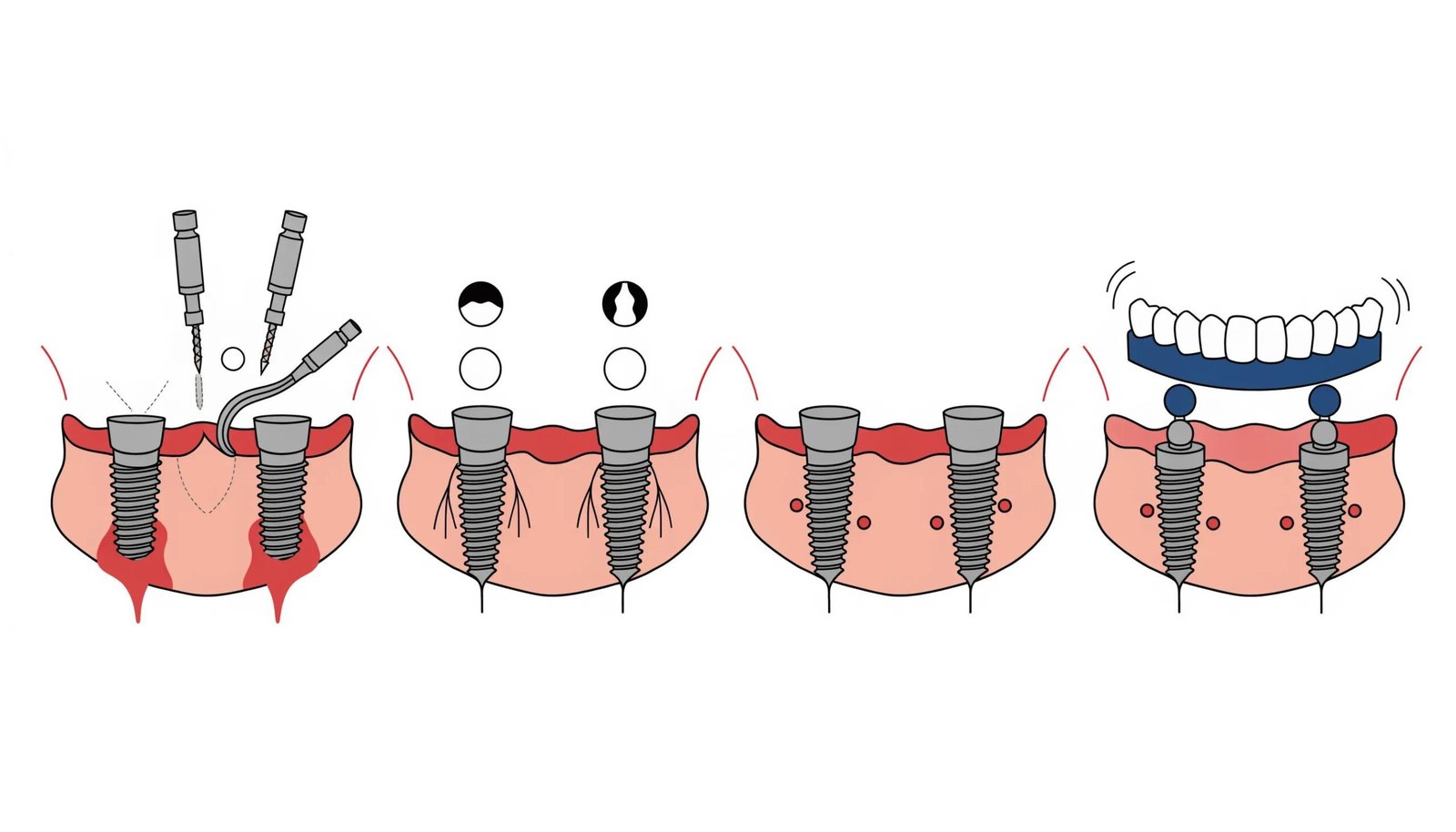
The implant overdenture procedure is a meticulous process that typically spans multiple appointments, aimed at ensuring optimal placement and healing of the implants. Initial consultation includes thorough assessments, x-rays, and treatment planning to ascertain the patient’s needs and bone density. Following this, the surgical placement of the implants occurs, which involves inserting titanium posts into the jawbone. A healing period of several months follows to allow osseointegration. After satisfactory healing, the overdenture is fitted and adjusted to ensure a comfortable bite and aesthetics.
What are the step-by-step stages in implant denture placement?
The stages in implant denture placement include the following:
- Initial Consultation: An assessment of oral health, jawbone structure evaluation, and treatment planning.
- Surgical Placement: Titanium implants are inserted into the jawbone under local anesthesia.
- Healing Phase: A healing period of 4 to 6 months for osseointegration to occur, during which the implants bond firmly with the bone.
- Permanent Restoration: After healing, impressions are taken, and the overdenture is fabricated and attached to the implants.
- Follow-Up Care: Regular check-ups to ensure the proper function of the overdenture and implants.
Who is Dr. Thu Nguyen and what is her role in implant surgery at Anaheim Implants?
Dr. Thu Nguyen is a leading expert in advanced implant dentistry who specializes in the placement and management of implant-supported dentures and overdentures at Anaheim Implants Dental Group. With extensive training and experience, Dr. Nguyen leads the surgical processes, ensuring the highest standards of care and optimal outcomes for her patients. Her focus on patient comfort and successful integration of implants exemplifies her commitment to advancing dental health.
What Are the Costs and Financing Options for Implant-Supported Dentures?
Understanding the costs associated with implant-supported dentures is crucial for prospective patients. The average cost of dental implants combined with overdentures can range significantly based on several factors, including the number of implants required, geographic location, and the specific materials used. Typically, patients can expect prices ranging from $20,000 to $45,000 for a full mouth restoration, covering both the implants and the overdentures.
How much do dental implants and associated dentures typically cost?
The cost of dental implants varies depending on their number and type. Generally, each implant can range from $1,500 to $6,000, while the associated overdenture costs can add an additional $5,000 to $10,000. Patients should take into account factors such as extractions, bone grafting, and financing options when budgeting for their treatment.
What financing choices are available for implant denture patients?
Various financing options are available for patients considering implant-supported dentures. These may include:
- Dental Insurance: Many plans offer partial coverage for implants and similar procedures.
- Payment Plans: Dental offices may provide tailored payment plans to make treatment more affordable.
- Care Credit: This is a healthcare credit card that allows patients to finance their dental procedures over time.
Consulting with financial coordinators at dental practices can help clarify individual coverage and payment options.
What Are the Benefits and Potential Risks of Hybrid Dentures and Overdentures?
Hybrid dentures and overdentures offer numerous advantages over traditional dentures, but they also come with potential risks. The primary benefits include enhanced stability, improved oral health through bone preservation, and better aesthetics. Additionally, compared to traditional dentures, hybrid dentures often provide superior comfort and reduced slippage during essential activities.
What are the pros and cons of hybrid dentures vs conventional dentures?
Hybrid dentures provide many advantages over conventional dentures, such as:
- Stability: Tightly secured to implants, they reduce movement and discomfort.
- Bone Health: The presence of implants helps preserve jawbone density.
- Aesthetics: More natural appearance and enhanced confidence for the user.
Conversely, conventional dentures might be less costly initially but can lead to ongoing adjustments and decreased quality of life due to instability.
What risks or complications can arise and how are they managed?
Potential risks associated with implant-supported dentures include infection, implant failure, and discomfort during the recovery process. Pre-surgical assessments and preemptive antibiotics are common management strategies. Post-operative care, including regular check-ups, ensures any complications can be promptly addressed.
How Long is the Recovery Time After Receiving Implant-Supported Dentures?
The recovery time after receiving implant-supported dentures can vary but typically spans a few months. Patients often experience some swelling and discomfort immediately following the procedure, which typically subsides after a week. The majority of the healing process involves the gradual integration of implants into the jawbone.
What is the typical healing timeline for implant overdenture procedures?
The healing timeline generally consists of:
- Immediate Recovery: 1-2 weeks for initial swelling and discomfort to resolve.
- Osseointegration: 4-6 months for the implants to fuse with the jawbone fully.
- Final Adjustments: 1-2 weeks of subsequent visits to adjust the overdenture for optimal fit.
What post-operative care and instructions optimize treatment outcomes?
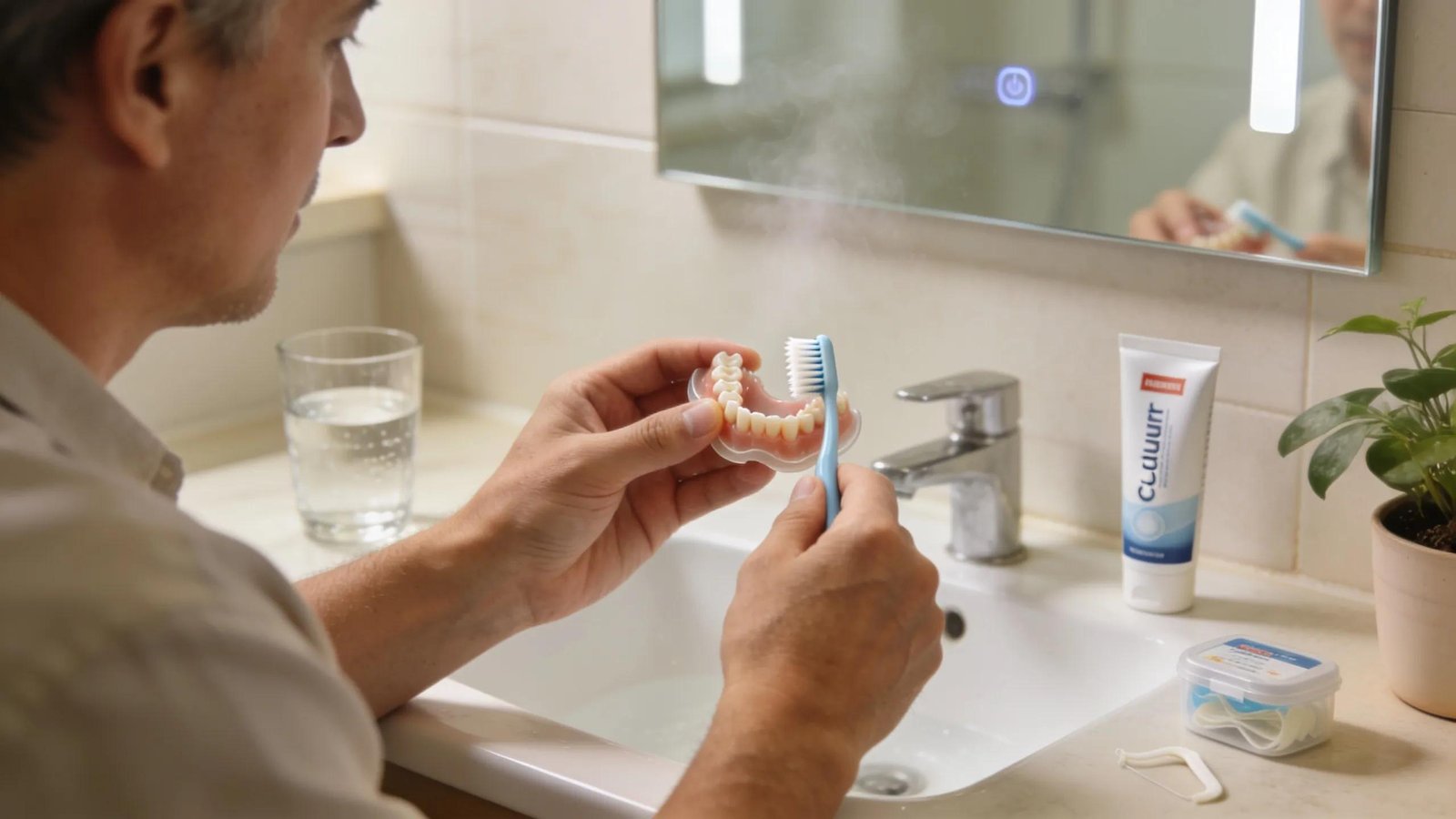
Post-operative care is crucial for optimizing outcomes. Patients are advised to:
- Follow a soft diet for the first two weeks to avoid stress on the healing implants.
- Maintain excellent oral hygiene with specific tools designed for post-implant care.
- Attend all follow-up appointments for monitoring and adjustments.
How Should Patients Care for Their Implant Dentures Long-Term?
Long-term care for implant-supported dentures is vital to ensure their longevity and maintain oral health. Regular maintenance routines help keep the dentures clean and functional.
What daily maintenance routines improve the durability of implant dentures?
Patients should practice the following routines:
- Brushing: Use a soft-bristled toothbrush and non-abrasive toothpaste on implant-supported dentures and surrounding gums.
- Flossing: Daily flossing helps remove food particles and plaque.
- Routine Check-Ups: Regular dental visits for professional cleaning and evaluations are essential.
Which professional checkups and adjustments are necessary after implantation?
Patients should expect to have follow-up visits at intervals of 6-12 months post-operation. These appointments allow for:
- Monitoring of implant success and oral health.
- Immediate care for any issues that may arise.
- Adjustments to the dentures to ensure the proper fit and function.
What Do Patient Success Stories Reveal About Implant-Supported Dentures?
Patient success stories provide valuable insight into the quality of life improvements seen with implant-supported dentures. Many individuals describe a renewed sense of confidence and improving their overall well-being after switching from conventional dentures.
How have implant overdentures improved patients’ quality of life?
Patients frequently report improvements in their daily lives after receiving implant overdentures, noting:
- Enhanced Confidence: The secure fit allows individuals to speak and eat without fear of slippage.
- Improved Comfort: Many no longer experience the irritation common with traditional dentures.
- Better Nutrition: Patients appreciate being able to enjoy a more varied diet, including foods they previously avoided.
What distinguishes Anaheim Implants Dental Group’s patient outcomes?
Anaheim Implants Dental Group is recognized for its commitment to patient satisfaction and successful surgical outcomes. Led by Dr. Thu Nguyen, the practice emphasizes Comprehensive Care in the field of implant dentistry. Patients often highlight the supportive environment and thorough post-operative care as factors contributing to their positive experiences.
What Are Common Questions About Implant Supported Dentures?
There are several questions frequently posed by individuals considering implant-supported dentures. Addressing these questions can help alleviate concerns and provide clarity.
How long do hybrid dentures last and what affects their lifespan?
Hybrid dentures, with proper care, can last upwards of 10-15 years. Their longevity depends on factors such as oral hygiene, regular dental visits, and individual health. Maintaining good care practices significantly contributes to their durability.
Are implant supported dentures painful during and after the procedure?
While discomfort may be anticipated during the recovery phase, proper pain management protocols are established to ensure patient comfort. Most patients report a manageable level of discomfort that diminishes significantly within the first few days, leading to improved quality of life afterward.